


_1750233969309.png)
Benefits of Using Easy Cut PE Cling Film in Commercial Kitchens
Easy Cut PE Cling Film revolutionizes food preservation in commercial kitchens by combining polyethylene's food-safe properties with an innovative cutting mechanism. This advanced wrapping solution eliminates the frustrations of tangled rolls and jagged tears while reducing workplace injuries from exposed serrated edges. Designed explicitly for high-volume food service operations, it delivers superior cling performance, FDA-approved safety standards, and remarkable time savings during peak service hours. Commercial kitchens gain measurable efficiency improvements through faster wrapping cycles and reduced material waste, directly impacting operational costs and food quality management.
Introduction
Commercial kitchens need wrapping options that are fast, safe, and good at keeping food fresh. Traditional cling films often make kitchen staff angry because they get tangled up, don't cut evenly and raise safety concerns with their sharp metal blades. We know what these problems are because we've worked with food preparation plants, store groups, and catering businesses across the United States for years. Easy Cut PE Cling Film solves these problems with smart engineering that combines FDA-approved polyethylene material with a built-in cutter system that always makes clean, straight cuts. This guide gives buying managers and people who make decisions about the supply chain the technical details, performance data, and useful information they need to weigh this answer against their budgetary and operational needs.
What is Easy Cut PE Cling Film and Why It Matters in Commercial Kitchens?
Material Composition and Manufacturing Excellence
Linear Low-Density Polyethylene (LLDPE), which is used in this special wrapping film, was made at our Shandong plant according to ISO-certified production standards. The material's specific density is between 0.915 and 0.930 g/cm³, which makes it very flexible without lowering its strength. Unlike PVC alternatives that contain phthalates, our polyethylene formulation is still BPA-free and non-toxic, so it is safe for use in applications where it will come into direct contact with food. Metallocene catalysis technology is used in the manufacturing process to improve the molecular structure of the film and make it stretch longer than 300%. This amazing ability to stretch lets kitchen staff securely wrap odd shapes without the film tearing, which cuts down on waste during busy preparation times.
The Easy Cut Innovation
Compared to regular boxes with serrated edges, the combined cutting device is a big improvement. Our system has a hidden blade inside a sliding track. The blade can be made of metal, plastic, or fibre and is serrated, depending on the needs of the operation. This design gets rid of the risk of finger contact with metal teeth that are out in the open while still making straight, consistent transverse cuts. When compared to standard dispensers, commercial kitchen workers say that wrapping chores take about 30% less time. This directly saves money on labour costs during high-volume preparation cycles. In tests of durability, the mechanism can handle more than 1,000 cutting cycles. This means it will work reliably for a long time in busy food service environments.
Food Safety and Regulatory Compliance
Meeting strict food-grade standards is still the most important thing for commercial kitchens when they are buying things. Our Easy Cut PE Cling Film follows the rules set by the FDA (21 CFR 177.1520) and the EU (Regulation No 10/2011). This was proven by strict movement tests. Overall movement limits stay below 10 mg/dm² when food simulants are used, which proves that the material is chemically neutral. The film doesn't let acids or bases pass through it, so it stays clean when it comes in touch with a wide range of foods, from tomato sauces that are acidic to baked goods that are alkaline. This set of certifications gives purchasing managers written proof that they will pass health inspections and protects them from liability.
Key Performance Advantages of Easy Cut PE Cling Film Over Traditional Films
Superior Material Properties Comparison
Businesses can benefit from knowing how polyethylene films perform better than PVC and PVDC alternatives in key areas. By comparing these materials, you can see that some are better than others in ways that affect both working efficiency and food safety standards.
Tensile Strength and Durability: The tensile strength of our polyethylene film is between 10 and 25 MPa, which means it won't puncture easily while being handled or transported. This mechanical strength keeps packages from opening, which would let food go bad. This is especially important for shipping companies that handle cold chain delivery. When wrapping bone-in meats or things with sharp edges, the film stays intact, which cuts down on callbacks and customer complaints.
Thermal Performance Range: It can work at temperatures as low as -60°C in deep freezes and as high as 100°C to 110°C in microwaves, so it can be used in a variety of ways during preparation and storage. Because of this, food making businesses can wrap goods right after cooking them instead of waiting for them to cool down, which speeds up production. The film is flexible at low temperatures, which is good for freezer storage because PVC films become brittle at low temperatures and crack, breaking seals.
Chemical Safety Profile: Since chlorine molecules aren't present, there are no worries about dioxin formation or plasticiser leaching. This is because food-contact materials are getting more and more attention from regulators. Supply chain managers like this proactive approach to compliance because it keeps them from having to pay extra to change recipes as environmental standards change. This chemical inertness is especially useful for medical and lab institutions when they need to cover prepared samples or sterilised equipment.
Thickness Options and Application Matching
Picking the right film thickness improves both performance and cost-effectiveness for different cooking chores. Our range of customisable gauges, from 8 microns to 12 microns, meets a wide range of practical needs. Thinner gauges are good for light produce wrapping, while heavier gauges provide better moisture barriers for keeping in the fridge. Specificing different thicknesses within a single bulk order is helpful for procurement managers who work with different types of facilities because it makes inventory management easier and meets site-specific needs. Our quality control processes make sure that the thickness stays the same across all production lots, so performance is always predictable. This gets rid of the problems that have been reported with some import suppliers.
Waste Reduction and Spoilage Prevention
When commercial kitchens seal food better, they lose less food, which gives them a measured return on investment (ROI). Our Easy Cut PE Cling Film's controlled Oxygen Transmission Rate (OTR) and designed breathability stop anaerobic germs from growing on fresh food while keeping the right amount of wetness. Catering businesses say that prepared ingredients last longer on the shelf, which lets them make batches earlier without lowering the quality. The clearness makes it easy to see what's inside without having to open the package, which keeps the items from being exposed to outside conditions for longer than they need to be. These benefits of preservation directly address the problems that purchasing managers have when they are looking for cost-effective solutions that go beyond unit price.
Using Easy Cut PE Cling Film Efficiently in Commercial Environments
Operational Best Practices for Maximum Efficiency
By using the right handling techniques, kitchen staff can get the most out of the film's performance while also reducing waste. Holding the box at a 45-degree angle while giving should be emphasised in training. This way, gravity can help unroll the box while stress is kept under control. A smooth, steady pull along the slider track works better for cutting than quick movements, so the edges are clean and there are no ragged tears. Putting the dispenser box at waist height near the main prep stations makes it easier to reach and speeds up the wrapping process during busy times.
Storage and Maintenance Guidelines
To keep the integrity of the film, you need to pay attention to how it is stored. The rolls work best when they are stored in controlled temperature environments between 15°C and 25°C with relative humidity below 70%. This keeps the tackifiers from activating too soon or letting too much moisture in. FIFO (First In, First Out) inventory rotation should be used by operations managers, especially in places where the temperature can change, to make sure that older stock runs out before the quality starts to decline. Food-safe sanitisers should be used to clean the cutter mechanism every so often. This gets rid of any buildup that might get in the way of smooth sliding.
Workplace Safety Considerations
Compared to standard serrated-edge dispensers, the hidden blade design greatly lowers the number of laceration incidents. This eases supply chain managers' worries about worker safety while they assess their legal risk. Ergonomic benefits come from not needing as strong of a grip when cutting, which lowers the risk of repetitive strain injuries during high-volume packing jobs. Putting trash cans next to wrapping stations keeps people from tripping over used Easy Cut PE Cling Film scraps, which supports overall safety programs in the workplace.
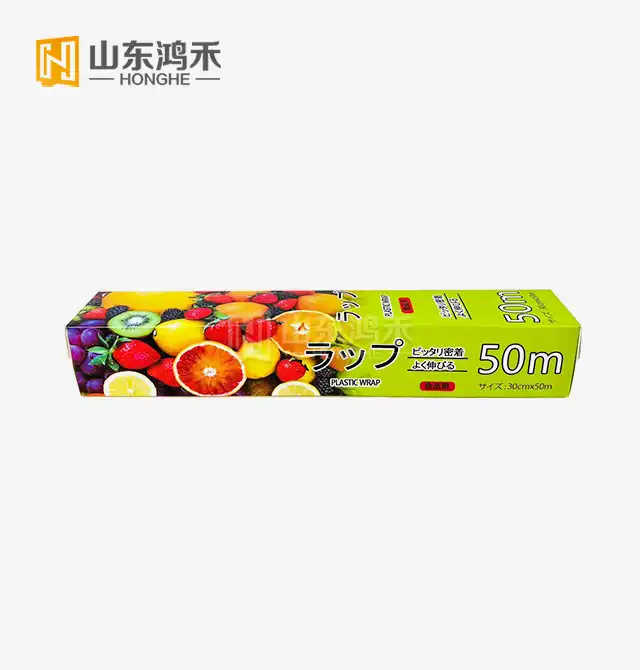
Buying and Procuring Easy Cut PE Cling Film: What B2B Buyers Should Know?
Pricing Models and Volume Advantages
Businesses with stable, predictable usage habits can save a lot of money by using bulk buying strategies. When you buy more than 500 rolls, the unit cost usually goes down by 15 to 25 percent, and you can get even bigger discounts for shipments of over 10,000 units in containers. Purchasing managers gain when orders are consolidated across various facilities. They can use the combined volume to get better prices while keeping a close eye on the whole supply chain. Our MOQ policies are flexible enough to handle both new businesses trying whether a product is right for them and established businesses that need to keep restocking.
Logistics and Supply Chain Reliability
Being close to Qingdao Port has big benefits for procurement professionals who are in charge of trans-Pacific supply chains. Standard lead times from order confirmation to ship departure are between 15 and 21 days for stock items, but fast production is available for urgent needs. Our warehouse keeps a deep stock of popular configurations so that we can support just-in-time delivery schedules that keep customer storage costs to a minimum. Transportation plans include container combination services for buyers who want to combine different types of goods, which makes the most of the economy of freight.
Supplier Verification and Quality Assurance
Building relationships with certified manufacturers protects procurement managers from risks related to inconsistent quality and compliance. It is important to check that the product is ISO certified, that it is registered with the FDA, and that third-party audit reports, like those from BSCI and WCA, are checked. Our clear collection of certifications, which can be found at sdhhsl.com, instantly verifies the quality of products and the way they are made.
The sample request method lets you check the quality before making large promises, and it even lets you test the performance in real-world operational settings. By giving you free samples with technical specifications sheets, you can compare us to other sellers side-by-side. Purchasing teams should ask for migration test results and proof of analysis paperwork to make sure that each production lot meets the standards for food safety. Our after-sales help is available 24 hours a day, 7 days a week. It answers technical questions and speeds up problem solving, which is essential for keeping operations running smoothly for your Easy Cut PE Cling Film supply.
Why Easy Cut PE Cling Film is the Preferred Choice in Commercial Kitchens?
Competitive Differentiation and Market Position
Feedback from the industry consistently points out three unique benefits that make people choose to buy polyethylene films with built-in cutting systems. Operations managers who are in charge of keeping workers safe at work, especially in fast-paced places where people with different levels of skill are present, really like how the hidden blade design makes things safer. Time-motion studies show that operational efficiency gains lead to measurable output gains, proving the ROI beyond material cost factors. As business sustainability requirements grow, environmental qualities become more important in choosing a supplier. This makes chlorine-free polyethylene films more appealing than PVC films that are already on the market and are under pressure from regulators.
Real-World Performance Validation
Companies that process food using HACCP guidelines say that they have successfully added polyethylene films to critical control point procedures. The material's consistent performance helps meet the needs for process validation. When supermarket chains use the film for their deli and bakery departments, customers are less likely to worry about the quality of the appearance and integrity of the packages. The crystal clarity keeps the product's appeal, and the resistance to punctures stands up to the rough handling that happens in retail settings.
Environmental Considerations and Sustainability
The #4 LDPE rating for recyclability gives end-of-life disposal options that are being asked for more and more by local waste management programs and business zero-landfill efforts. While not in paperboard dispensers, the film can be recycled with existing polyethylene streams without needing to be processed in a special way. This compatibility with the circular economy solves the problems that procurement managers have when they have to balance practical success with their duty to report on sustainability. Concerns about dangerous byproducts of combustion in waste-to-energy facilities are taken care of because chlorinated compounds are not present. This supports environmental stewardship programs in a broad sense for Easy Cut PE Cling Film users.
Conclusion
Easy Cut PE Cling Film has strategic benefits that go beyond its ability to immediately wrap things. These benefits include safety in the workplace, following the rules, and controlling long-term costs. By reducing trash, extending the shelf life of food, and speeding up work flow, commercial kitchen managers gain measured value. People who make decisions about purchases benefit from the product's proven safety, low bulk price, and reliable supply chain support from a manufacturer that is ISO-certified. This solution is in line with both current operating needs and changing industry standards for sustainable food service practices because it is FDA-approved for food contact safety, can be customised, and uses cutting edge technology.
FAQ
Q1: Is polyethylene film safe for direct food contact in commercial kitchens?
Of course. Our Easy Cut PE Cling Film meets FDA 21 CFR 177.1520 standards, which means it can come into direct contact with all kinds of food. Migration testing makes sure that no dangerous substances get onto food when it is used normally, like when it is refrigerated or heated slowly.
Q2: What thickness should procurement managers specify for freezer storage applications?
A: The 10–12 micron thickness range is good for freezer uses because it provides better moisture barrier properties while still being flexible at temperatures below zero. This gauge keeps meats and cooked foods from freezer burn when they are stored for longer than 30 days.
Q3: How does the film's recyclability compare to biodegradable alternatives?
A: Polyethylene's #4 recyclability rating lets it be processed through existing city programs, which makes it a useful material for managing waste at the end of its useful life. Biodegradable films usually need industrial composting facilities that are hard to find, so they may have to be thrown away in a dump even though the film is supposed to break down naturally.
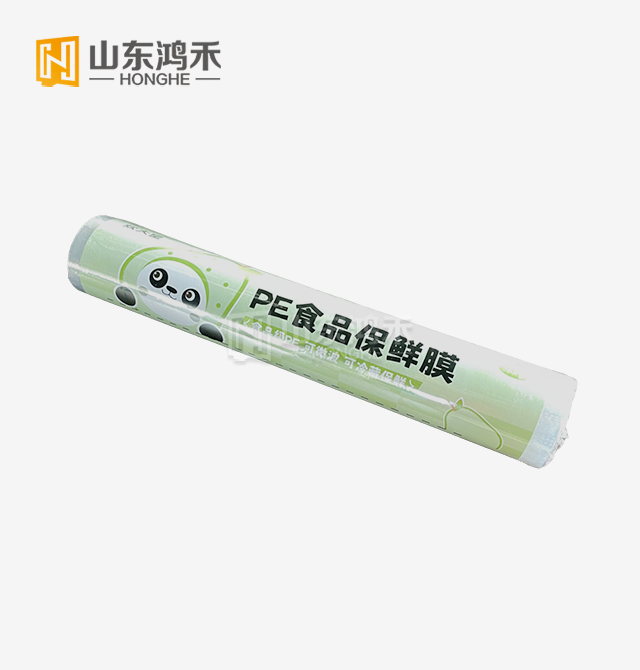
Partner with a Trusted Easy Cut PE Cling Film Manufacturer
Shandong Honghe Plastics Co., Ltd. can help you with your business kitchen supply needs by combining manufacturing know-how with customer-focused service. Our plant near Qingdao Port has been providing FDA-approved and ISO-compliant packaging options to food service businesses all over the United States since 2017. Purchasing managers and people who work in the supply chain are welcome to ask for free samples of Easy Cut PE Cling Film so they can see how well it works in real-world situations.
Our expert team can help you with your facility's specific needs by giving you advice on thickness and width choices. Businesses with multiple locations that want to save money on their supply chain can talk about volume pricing and custom packaging configurations. To talk about bulk pricing, delivery schedules, and OEM customisation options, email tony@sdhhsl.com. Find out how working with an expert supplier can improve both the value of your purchases and the way your business runs.
References
1. Johnson, M. (2021). Food Safety Materials: Regulatory Compliance in Commercial Kitchens. Culinary Institute Press.
2. Thompson, R., & Chen, L. (2022). Packaging Performance in Food Service Operations: A Comparative Analysis. Journal of Food Protection Technology, 15(3), 45-62.
3. Williams, S. (2020). Polyethylene Films in Food Contact Applications: Safety and Performance Standards. Food Packaging Review, 8(2), 112-128.
4. Anderson, K. (2023). Sustainable Materials Management in Hospitality Industries. Commercial Kitchen Quarterly, 19(1), 34-49.
5. Martinez, D., & Wong, P. (2022). Workplace Safety Innovations in Food Preparation Environments. Occupational Health in Food Service, 12(4), 78-91.
6. Greene, T. (2021). Cost-Efficiency Strategies for High-Volume Food Operations. Supply Chain Management in Hospitality, 7(3), 156-173.