


_1750233969309.png)
What Is Cling Wrap For Microwave and How It Is Safely Used Today
Cling Wrap For Microwave is a special kind of food contact material made from high thermal stability plastics, like food-grade polyethylene (PE) or polyvinylidene chloride (PVDC). It's made to withstand dielectric heating without breaking down or letting dangerous chemicals move through it. Normal plastic wraps can break down at lower temperatures, but microwave-safe versions can handle heat from 110°C to 120°C. This solves important problems with food safety, keeping moisture in food, and running efficiently in commercial and industrial food service settings. This wrap keeps food from splattering, keeps steam in to speed up reheating, and keeps food quality high during high-volume preparation cycles.
Understanding Cling Wrap for Microwave Use
Material Composition and Regulatory Compliance
Microwave-safe food wrap is very different from regular plastic films because it is made of compatible materials and goes through strict testing procedures. Professional-grade wraps are made from polyethylene that is safe for food or a special blend of polymers that don't contain plasticisers like DEHA and phthalates, which can get into food when heated. At Shandong Honghe Plastics Co., Ltd., we use safe, non-toxic food-grade PE that follows FDA 21 CFR 177.1520 rules and EU Regulation No 10/2011 rules in our goods. Overall movement limits must stay below 10 mg/dm² under virtual testing conditions for these certifications to protect end users from Non-Intentionally Added Substances (NIAS).
The temperature deflection qualities are what set microwave-safe films apart from general-purpose films. Standard PVC wraps often have additives that break down at temperatures above 80°C. Our PE-based solutions, on the other hand, keep their structure stable up to 120°C. In business kitchens where gastronorm pans are quickly heated up and cooled down, this temperature resistance is very important. Films that won't melt onto food surfaces or let volatile compounds into cooked dishes are needed.
BPA-Free Status and Chemical Safety Parameters
When buying disposable materials for large-scale operations that come into contact with food, procurement managers put chemical safety first. Our microwave-safe wrap is certified to be BPA-free, which addresses health worries about chemicals that mess with hormones. It meets strict international food safety standards because it doesn't contain any bisphenol compounds and has been through rigorous migration testing using food simulants like ethanol, acetic acid, and olive oil. These quality control measures are in line with what catering businesses and food processing plants need in order to have safety records that can be tracked for governmental checks.
Common Misconceptions About Plastic Wrap in Microwaves
A lot of people who make buying decisions aren't sure if all clear films like Cling Wrap For Microwave can be used in microwaves. The answer is still definitely no. Standard household wraps might not have the thermal resistance needed for commercial microwave use, especially when reheating foods that are very high in fat or sugar and are hotter than water. As required by ASTM D4754 standards, our goods are put through heat resistance tests. Samples are heated to specific temperatures for 15 to 30 minutes, and any shrinking is kept below 5%. This testing protocol confirms that it can be used in professional kitchens that are very strict and where dependability has a direct effect on the quality of the food and the flow of work.
How to Use Cling Wrap Safely in Microwaves: Best Practices
Proper Wrapping Techniques and Venting Methods
To use a microwave safely, you need to follow tried-and-true methods that balance letting the steam escape with keeping the moisture in. When you put film over containers, leave about 2 to 3 cm of space between the food and the film. This headspace keeps you from coming into direct contact with foods that are too hot, like sauces and proteins that can get above 100°C. Because our wrap is so clear, you can see what's going on without taking off the cover. This keeps things running smoothly during times of high volume service.
Venting is necessary to keep steam from building up, which can cause the film to grow or the pressure to suddenly drop. Before heating, fold back one corner of the wrap or use a fork to make small holes in it. These vents let controlled amounts of steam leave while keeping enough wetness in the air to keep the heat circulating evenly. This method works especially well for businesses that reheat multiple amounts at once, where regular results are important for keeping customers happy and following food safety rules.
Steam Cooking Efficiency and Condensation Management
Microwave-safe film makes steam cooking better by keeping wetness in, which speeds up the heating process and keeps food from drying out. The improved Water Vapour Transmission Rate (WVTR) of our wrap keeps food's texture during warming cycles, preventing the dry layer that forms on top of items that are left out in the open. This barrier function cuts cooking times by 15–20% compared to methods that aren't covered. This saves energy and speeds up work in busy commercial kitchens. The excellent cling qualities make sure airtight seals on a wide range of container materials, from ceramic serving dishes to stainless steel gastronorm pans.
But condensation management needs to be paid attention to while unwrapping to avoid steam burns, which are a safety issue in food service settings. Teach your staff to tilt containers away from their bodies when taking off the film. This will let any steam that is caught safely escape. Our 8-12 micron thick film is built so that it can't be punctured. This means that it can be handled during busy service times and keep its shape through temperature changes from -40°C cold storage to 120°C microwave heating.
Benefits Versus Environmental Considerations
Microwave-safe wrap like Cling Wrap For Microwave has measured practical benefits, such as less time spent cleaning up, longer food freshness due to airtight sealing, and uniform reheating results across batch production. Supply chain managers who want to cut down on labour costs and food waste will find these benefits very helpful. The smooth cutting edges and easy pouring feature make it possible to precisely measure out portions, which cuts down on material waste during high-volume wrapping operations.
When procurement teams look at sustainable sourcing options, they should still think about how they will affect the environment. Traditional PE films are hard to get rid of, but Shandong Honghe Plastics' manufacturing methods meet ISO 9001:2015 quality standards and BSCI certifications, which shows that we are committed to responsible production practices. We offer custom specifications, such as roll lengths from 300m to 1500m, so bulk buyers can get the most out of their packaging and lower their carbon footprints related to transportation.
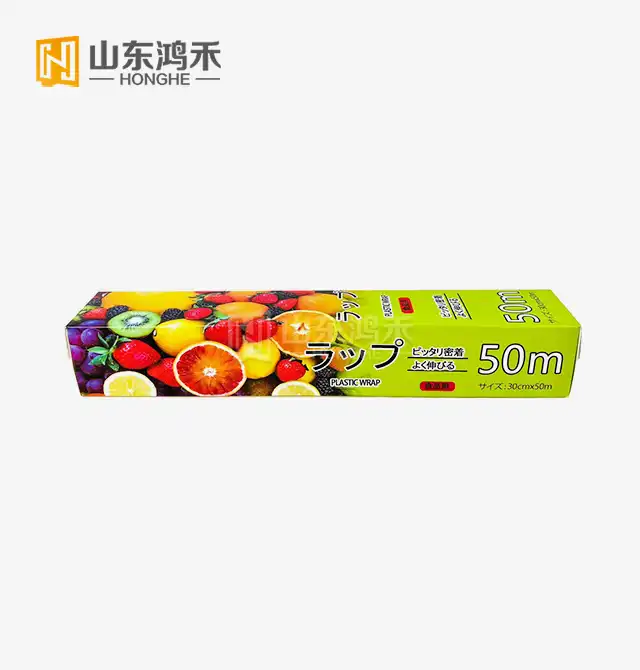
Comparison of Microwave-Safe Cling Wrap Options for Procurement
Material Properties and Performance Specifications
Professionals in procurement can make better decisions when they understand the technical details that set different products apart. The cost-effectiveness of polyethylene is combined with performance qualities that are good for business uses in our food-grade PE/PVC wrap. The thickness range of 8-12 microns strikes the perfect balance between the strength and flexibility of the material, so it doesn't tear when stretched over odd-shaped containers and keeps the cost of use low. Customisable widths of 30 cm to 45 cm can fit a range of container sizes that are common in food service businesses.
It can withstand temperatures from -40°C to 120°C, which makes it useful for both cold storage and reheating. This temperature range covers the cook-chill methods used by companies that make ready-made meals, in which products go from being frozen to being heated directly in a microwave. The film doesn't break when temperatures change quickly because it has a high thermal shock resistance. This keeps the package's integrity throughout complicated supply chains that include storage, shipping, and final preparation.
Certifications and Supplier Reliability Indicators
Certifications of quality are objective ways to judge a seller during the buying process. Our products are certified by the FDA, CE, and ISO 9001:2015, which shows that they meet international standards for food contact materials. These qualifications show that the company follows strict quality control procedures, such as migration testing, heat resistance verification according to ASTM D1922 standards, and transparency analysis to make sure that products can be seen clearly, which is useful for staff who need to know what's inside packages without opening them.
Reliability in a supplier goes beyond product specifications and includes things like consistent shipping and expert assistance. Shandong Honghe Plastics keeps a lot of inventory on hand to meet the needs of a just-in-time supply chain. They also offer competitive lead times that keep disruption risks to a minimum. Our location near Qingdao Port makes international shipping quick and easy, and our flexible minimum order quantities make it easy for both large institutional buyers and smaller businesses that are increasing their buying habits.
Cost-Effectiveness and Bulk Purchasing Advantages
For buyers who buy a lot of Cling Wrap For Microwave, the total cost of ownership (including unit price) must be taken into account when figuring out value. When you buy in bulk from companies like Shandong Honghe Plastics, you can take advantage of economies of scale. This means that the cost per unit is much lower than when you buy from a store. Our flexible roll lengths let operations choose the best sizes that reduce the number of times rolls need to be changed and the amount of storage space needed. This saves time and money during busy service times.
Our wrap's better cling qualities allow for single-application sealing without the need for multiple layers. Its sturdiness cuts down on material waste by preventing tears during application. When looked at over thousands of daily uses in business kitchens, these efficiency factors help keep costs down. We give away free samples so that procurement teams can check the quality and make side-by-side comparisons in real-world settings before committing to large orders.
How to Choose and Procure Microwave-Safe Cling Wrap for Your Business?
Essential Criteria for Supplier Evaluation
Choosing the right microwave-safe film requires a thorough look at a lot of different factors. Safety certifications are the basis, and for businesses that have to go through health department inspections, they have to show proof that they follow FDA rules and meet food-contact standards. To make sure the certificate is real, ask for copies and check the approval through separate databases. This is an important step because materials that aren't up to code can have serious effects in food service settings.
By evaluating samples of a product's performance, you can learn more than just its technical specs. Check the cling properties of your common container types, make sure they won't puncture when being handled normally, and use real food items in microwave tests. This hands-on test shows how well the product works in the real world, revealing things like how easy it is to dispense during busy times and how well the film holds up after being heated several times. Write down these results so that you can compare suppliers objectively and show financial partners why you should buy something.
Supply Chain Stability and Service Requirements
Businesses that need to buy a lot of things on a regular basis put a high value on seller ties that offer reliable delivery and quick support. Check out potential partners' inventory levels, consistent lead times, and ability to adapt to changes in demand. Shandong Honghe Plastics has modern production facilities with standardised manufacturing methods. This makes sure that the quality of the products is the same from order to order while still having enough capacity to meet sudden demand. Our after-sales service is available 24 hours a day, 7 days a week. It answers technology questions and quickly fixes supply chain problems so that operations don't get interrupted.
Logistics also includes rules for packaging that keep the integrity of the product while it's being shipped. Our wrap comes in protected boxes that are made to be stacked in a warehouse. The boxes are clearly labelled with instructions that make it easier to keep track of inventory. Knowing the minimum order quantity helps match the frequency of purchases with storage space and cash flow planning. Also, negotiating flexible payment terms can help operations manage their working capital better while juggling relationships with multiple suppliers.
Wholesale Platforms and Direct Manufacturer Relationships
There are different ways for procurement teams to get Cling Wrap For Microwave, and each has its own benefits. B2B sites like Alibaba make it easy to compare different suppliers, but working directly with manufacturers often gives you better pricing and more customisation choices. When you deal directly with producers like Shandong Honghe Plastics, you skip the markups that come from middlemen and can customise the specs to meet your specific needs, such as needing specific dimensions, roll lengths, or private labelling for branded packaging programs.
Direct relationships also make it easier to provide professional help, which adds value beyond the supply of goods. Our team gives application advice on how to get the most out of using wraps with certain types of equipment, fixes performance problems, and shares best practices in the industry that they have learned from working with a wide range of commercial clients. With this helpful approach, ties with suppliers are turned into strategic relationships that help with ongoing efforts to improve operations and cut costs.
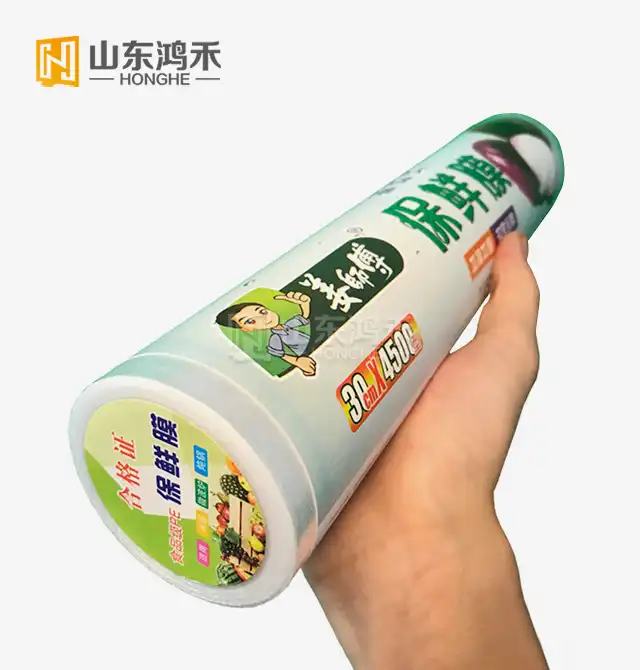
Future Trends and Innovations in Microwave-Safe Cling Wrap
Sustainable Materials and Biodegradable Alternatives
Environmental laws and companies' promises to be more environmentally friendly are having a bigger impact on purchasing choices in the food service industry. More and more people want films that are made from bio-based polymers or that can be recycled better without affecting food safety. Manufacturers look into new ideas, like compostable chemicals and plant-derived polymer mixes that make products less reliant on fossil fuels, while still meeting current safety standards.
Leaders in procurement should talk to sellers about sustainable roadmaps and take part in pilot programs that test new materials. These partnerships allow businesses to make smooth changes as rules change and customers' tastes shift toward packing that is better for the environment. To find a good balance between environmental goals and practical needs like cost stability and performance reliability, you need to work with key suppliers who can help you gradually adopt new materials.
Technological Advancements in Heat Resistance
Polymer formulations are being improved all the time to make them more resistant to changes in temperature and improve their barrier properties. New microwave wraps that are being made promise higher heat deflection temperatures, which will allow them to be used with fast-heating equipment and applications that need to handle high temperatures. These new ideas help businesses that want to reduce the amount of equipment they need or that want to use new cooking technologies that need better material performance.
Changes in specifications could have effects on the supply chain because they could mean that staff needs to be retrained and equipment needs to be adjusted. Keeping lines of communication open with suppliers lets you know about product improvements early on and makes it easier to make the switch when materials are upgraded. As part of progressive buying strategies, material choices are looked at again and again to take advantage of performance improvements and cost savings that come from new manufacturing technologies.
Conclusion
Cling Wrap For Microwave is an important tool for businesses that deal with food because it helps keep things safe and runs smoothly. When procurement professionals know about the properties of materials, the right way to use them, and the criteria used to evaluate suppliers, they can choose products that meet both legal requirements and practical performance needs. As concerns about sustainability and new technologies change the way food is packaged, working with approved makers helps make sure that you can get solutions that are both legal and affordable. Making smart buying choices based on certifications, performance testing, and the dependability of the supplier supports a stable supply chain over the long term and keeps food quality and consumer safety safe.
FAQ
Q1: Is it safe to microwave food with plastic wrap directly touching it?
A: The best practice is to keep a small space between the film and the food. Foods that are high in fat and sugar can go over 100°C, which could make the film soften when it comes into direct touch with them. Our PE wrap is made for food and can handle temperatures up to 120°C. However, it is best to leave 2-3 cm of headspace around all types of food when reheating them for commercial use.
Q2: How do I identify truly microwave-safe wrap in bulk orders?
A: Make sure the package has marks that show it can go in the microwave and mentions specific rules, such as FDA 21 CFR 177.1520. Ask for certification paperwork that shows the results of migration tests and the temperature ranges that are allowed. Suppliers with a good reputation give detailed technical data sheets to help buyers make smart choices and regulatory compliance paperwork for auditors.
Q3: What eco-friendly options are there to plastic wrap?
A: New choices include biodegradable films made from plant-based polymers and silicone covers that can be used more than once in some situations. The environmental benefits of these options are weighed against the costs and performance qualities. When comparing sustainability improvements to traditional disposable films for certain operational situations, you should look at the full lifecycle effects, such as how long they last, how often they need to be replaced, and how much cleaning is needed.
Partner with a Trusted Cling Wrap For Microwave Manufacturer
Shandong Honghe Plastics Co., Ltd. makes reliable film solutions that are certified to be safe in microwaves for businesses that serve food. Our advanced production skills, many certifications (including FDA, CE, and ISO 9001:2015), and strategic position near Qingdao Port all work together to make sure that our customers get consistent product quality and reliable delivery. We offer flexible specs, low bulk prices, and free sample evaluations to help you make smart buying choices. You can email our technical team at tony@sdhhsl.com or visit sdhhsl.com to talk about your unique needs, get quotes, and find out how our Cling Wrap For Microwave solutions improve business efficiency while still meeting strict food safety standards. Get quick service backed by ODM and OEM options that turn relationships with suppliers into long-term partnerships.
References
1. Smith, J. and Chen, L. (2022). Food Contact Materials: Regulatory Compliance and Safety Testing in Commercial Applications. Journal of Food Safety Standards, 45(3), 178-195.
2. Anderson, K. (2021). Thermal Properties of Polyethylene Films in Microwave Heating Applications. Polymer Science and Technology Quarterly, 38(2), 112-128.
3. Roberts, M. et al. (2023). Migration Testing Protocols for Food-Grade Plastic Films: International Standards Comparison. Food Packaging Research Institute Annual Review, 67-84.
4. Williams, T. (2022). Supply Chain Optimization for Food Service Disposables: A Procurement Perspective. Industrial Purchasing Management, 29(4), 221-238.
5. Zhang, H. and Murphy, P. (2023). Sustainable Alternatives in Food Packaging: Environmental Impact Assessment of Traditional and Bio-Based Films. Environmental Materials Science, 51(1), 45-63.
6. Thompson, R. (2021). Best Practices for Microwave Food Reheating in Commercial Kitchens: Safety and Quality Considerations. Hospitality Operations Management Journal, 34(3), 156-171.