



Best PVC Food Wrapping Film Suppliers for Restaurants and Retail Use - Honghe
For restaurants and stores, the best PVC food wrapping film suppliers offer food-contact compliance, consistent roll quality, flexible specifications, and on-time delivery. That's a good description of Shandong Honghe Plastics Co.,Ltd. We use high-quality PVC to make PVC food wrapping film. https://www.sdhhsl.com/pvc-cling-film/pvc-food-wrapping-filmYou can customize it, get free samples, and use the film for food packaging, refrigeration, food service, and around the house. Our business has passed certifications from ISO, CE, and FDA, as well as BSCI and WCA. Before you buy a lot of film, this guide tells you how to judge its quality, safety, and fit with your supplier.
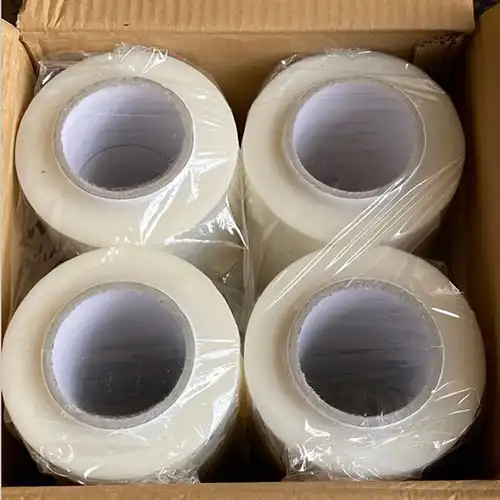
What Is PVC Food Wrapping Film and Where Do Buyers Use It?
What PVC Food Wrapping Film Is?
The clear, bendable PVC food wrapping film is made from polyvinyl chloride that has been plasticized. The film can stretch, stick to things, and snap back into place after being handled thanks to plasticizers like DOA or DOTP. This soft material can wrap trays, bowls, and other odd shapes without having to heat seal them like rigid PVC sheet can. The film also lets a certain amount of oxygen pass through. That's important for fresh red meat because oxygen reaching the surface makes oxymyoglobin, which is the bright red color that shoppers associate with being fresh. Our film is made from high-quality PVC, and we make sure that the thickness and stickiness stay the same from roll to roll through strict quality control.
Where Restaurants and Supermarkets Use It
You can find prep containers, portioned meals, sauces, and walk-in cooler stock in restaurants and commercial kitchens. Stores often use automatic tray wrappers to package meat, seafood, fruits and vegetables, baked goods, and ready-to-eat meals. The high clarity and gloss make the product stand out under display lights, and the strong cling keeps the seals in place while the product is being handled. Catering platters that go in refrigerated vehicles are also wrapped in central kitchens. This makes sure that spills and smells don't get transferred from one dish to another. People in households buy smaller rolls to store leftovers and other food in the fridge. One supplier can cover many sales channels with our film because it can be used for food packaging, refrigeration, food service, and everyday use around the house.
Roll Formats and Specifications You Can Request
People can buy private-label cartons, machine rolls, jumbo rolls, household rolls, and rolls for food service. Different formats have different core sizes, widths, and lengths. If the kitchen wraps by hand, they usually like a foodservice roll better. On the other hand, a supermarket with automatic wrappers needs machine rolls that are tightly wound and the right width. We can change these details to fit your needs, and we offer both ODM and OEM services for designing and labeling cartons. We will suggest a specification that fits your wrapping method, product surface, and storage temperature after you tell us them. A roll that works well in a deli might not be right for a fast line.
How to Judge PVC Food Wrapping Film Quality and Safety
Measurable Quality Indicators
Looks alone don't tell you much, so measure performance. Puncture resistance, tear strength, and cost per roll are all affected by the thickness. Staff can wrap faster if they cling and unwind more. Check the whole roll, not just the top layer, for clarity, gloss, haze, pinholes, gels, and wrinkles. See if the width and length match the label. Short rolls cost more per usable meter, so check them. The results of tensile and elongation tests are also important. ASTM D882 is a common test method for thin plastic sheets. Telescoping means that layers slide sideways, so be careful of that. It tells automatic machines that the winding tension is too low and stops them.
Is PVC Food Wrapping Film Safe for Food Packaging?
It might be if the way PVC food wrapping film is made and used fits the rules of your market. The FDA sets rules for plastic materials that come into contact with food in the United States. These rules can be found in Title 21 of the Code of Federal Regulations. Regulation (EU) No 10/2011 says that the EU can only allow 10 mg of migration per square decimeter. This is a good standard for exporters to use. Get suppliers to send you up-to-date food-contact declarations and migration reports for PVC food wrapping film that list the thickness, type of food, temperature, and time of contact. Pay attention to plasticizers because fats can pull them out, so stay away from pure fats like butter for a long time. Honghe has ISO, CE, and FDA certifications, and we can share up-to-date documents with anyone who asks.
Heat, Microwave, and Storage Limits
Do not assume that the microwave will work. Read the label or the maker's written instructions and do what it says. Even so, make sure the film has holes in it and doesn't touch food, especially cheese, meat, and other fatty foods, because heat and fat make the plasticizer move faster. If the manufacturer doesn't say it's okay, never put PVC wrap in a regular oven or directly on heat. For cold storage, check the specification sheet to make sure the temperature range is correct and test on your own trays. Rolls should be kept in a cool, dry place out of the sun and heat. If they are stored badly, they can yellow and become hard to wind. Cutting down on paper use will keep your staff and customers safe.
PVC Food Wrapping Film vs. Alternative Packaging Films
PVC Versus PE Cling Film
Many supermarkets choose PVC for automatic tray wrapping and meat display because it sticks well, is clear, and stretches back to its original shape well. PVC film usually lets more oxygen through than PE cling film, which helps red meat keep its color. PE cling film is popular with buyers who want a different formulation, way to recycle, or food-contact profile. It can also be used for many high-fat household tasks. There is no one material that always wins. What you should do depends on the food, the wrapper, and the rules where you are going. We make both PE and PVC cling film, so we can tell you which one is best for your needs.
Where PVDC Fits
PVC film lets air pass through it, but PVDC film is much better at keeping oxygen and moisture out, so it's better for protecting goods that need to last longer. The strong wall doesn't let fresh red meat through because it needs air to stay bright. Advice from the business world also says to use PVDC or special PE films for pure fats like butter or lard, since PVC plasticizers can move into fat after long contact. There are different costs and processing needs for PVDC, so check to see how it works with your gear. For fresh meat and produce, use a film that lets air pass through. For things that need to last longer, use a film with a higher barrier level. Need a side-by-side pack test? Ask your suppliers to do it.
Testing Before You Choose
Arguments about things end quickly once you test them. Put your real trays and containers in the cooler for a day. After that, check for tears, fogging, loose edges, and changes in color. When clinging to cold, damp surfaces, condensation can make the seal less strong. Take turns running machine rolls on your own wrapper for a full shift to check for breaks, cuts, and tension. Write down the results next to the specification so that your team can go over them again later. You can do this without spending a lot of money because we offer free samples, and we recommend that buyers compare two or three thicknesses next to each other.
How to Choose the Best PVC Food Wrapping Film Supplier?
Start With Your Application
Don't start with the price list, but with the job. Write down the type of food, how it was wrapped, the size of the PVC food wrapping film, the temperature at which it will be stored, and the contact time. Then, make goals that can be measured for things like thickness, cling, stretch, clarity, and tear resistance. If you use automatic wrappers, you should also include machine performance. With this short form, all suppliers can quote the same PVC cling film roll, so you can compare like with like. It shows who is smart and who gets good questions. A supplier who asks about your trays and cooler temperature may know how to package food better than one who only asks for the amount. A written specification and approval record also cut down on disagreements and make sure that orders are always the same.
Direct Manufacturer, Trader, or Local Distributor
The direct manufacturer is responsible for the recipe, the modification and the production planning . They may also discuss the film with considerable technical depth. Trading firm may provide a great variety of various commodities. It is useful for those who require mixed lots. Local distributors will fulfill small orders fast, but they often charge you more per roll. Choose the channel that suits your volume, urgency and personalization needs. Unclear compliance paperwork, inconsistent roll sizes, strong scent, unstable cling, lots of breaks, no batch monitoring, and quotations that are much too cheap are warning signs to watch out for. The total landed cost includes shipping, testing, paperwork, trash, packing and the efficiency of the labor. You may compare offers based on the total landed cost.
Why Buyers Work With Shandong Honghe Plastics?
We started company in 2017 , and produce PE and PVC cling film, stretch film and disposable TPE, CPE and PE gloves. Our plant is located in Liu Guanzhuang Town, Shandong Province. It is near the Qingdao Port, therefore it is convenient for exporting commodities. We have advanced technology and stringent quality control with standard workshop equipment. Our company is ISO, CE, FDA, BSCI and WCA certified. Buyers also receive plenty of stock, rapid shipment, assistance with logistics and transportation, reasonable rates, ODM and OEM service, free samples and 24/7 post-sale support. We create our PVC food wrap film from high-quality PVC and can cut it to whatever width, length or thickness you require.
Procurement Guide: Buying PVC Food Wrapping Film in Bulk
Build a Clear RFQ
An entire RFQ speeds up the quote process and keeps surprises at bay. Include the type of food, the thickness, the width and length of the rolls, the core size, the wrapping method, the expected demand, the destination, the documents that are needed, the delivery schedule, and any OEM or private-label needs. Ask for different prices for samples, standard rolls, custom rolls, jumbo rolls, and orders for containers that will be used over and over again. MOQ can change based on film size, printed cartons, and formulation, so make sure you set it early. Add the checks you do when you get the package, like width and weight. When purchasing managers send this information, the supplier doesn't have to guess, so they can answer faster and more accurately.
Packaging, Logistics, and Safety Stock
Broken film can still come in. PVC food wrapping film should be protected from water, dirt, and damage during export packaging. To lower the cost of freight per PVC cling film roll, look at the strength of the cartons, the layout of the pallets, and how the containers are loaded. Before you ship something, not after. Check the labeling rules and export documents. Setting safety stock based on production time plus shipping time will make sure that a delay at the port doesn't stop your wrapping line or leave your shelves empty. Our location close to Qingdao Port, large inventory, and help with logistics all help to keep your delivery schedule steady from one order to the next.
Supplier Selection Checklist
For each candidate, use a separate list. To make sure the technical details are correct, check the food-contact suitability, migration documents, thickness, width, length, core size, stretch, cling, clarity, tear resistance, temperature range, and how well it works by hand or machine. It's important to look at things like the minimum order quantity (MOQ), price breaks, lead time, packaging, payment terms, and claims procedures when it comes to business. To make sure the company is qualified, check the production source, current certificates, sample quality, batch traceability, ability to handle repeat orders, OEM experience, and speed of response. Before mass production, get approval on a written specification. Keep the signed sample as a guide for later shipments.
Conclusion
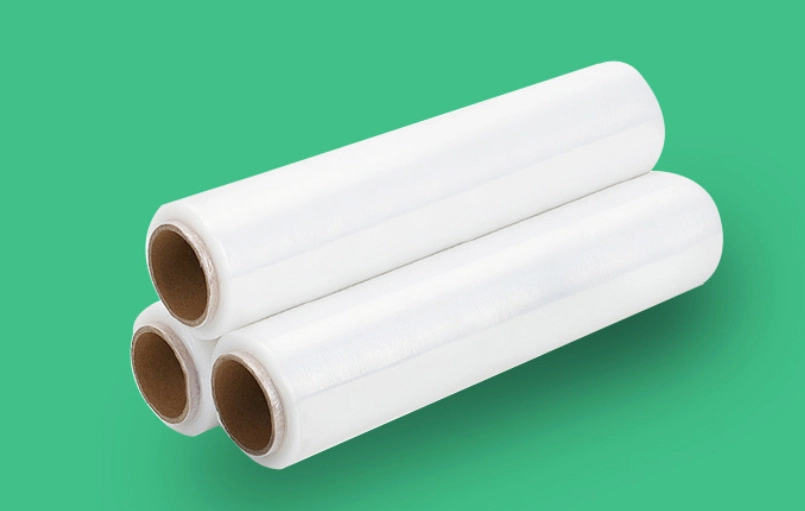
If you want to use PVC food wrapping film, you need to find a supplier that can meet your needs in terms of film performance, safety, and supplier capabilities. Every day results are shaped by things like thickness, cling, clarity, and winding quality. For safe use, FDA and EU food-contact rules, migration reports, and clear heat limits are in place. Because it sticks well, is clear, and lets oxygen through, PVC is good for fresh meat, produce, and automatic wrapping. PE and PVDC, on the other hand, are better for things like pure fats or things that need to last longer. The choice is proven by testing samples on real trays and machines. A clear RFQ, a comparison of all landed costs, and a written specification then ensure that quality and supply stay the same for repeat orders.
FAQ
Is PVC food wrapping film safe for fresh food?
Yes, as long as the use and formulation follow the rules of your market. The FDA sets the rules in the United States. If you come into contact with pure fats for a long time, ask for up-to-date food-contact documents.
Can I microwave PVC food wrapping film?
Only if the label or written instructions from the maker say it's okay. Let air out of the film and don't put it on the food. Don't put it in a regular oven.
How do I choose the right thickness?
It should fit the machine, the food, and the way it is being wrapped. Before you give the go-ahead for mass production, test two or three thicknesses on your own trays.
Does Honghe provide free samples?
Yes. You can try out the film before you order because we offer free samples, customization, OEM, and ODM services.
Request Free Samples of PVC Food Wrapping Film From Shandong Honghe Plastics Co.,Ltd.
Shandong Honghe Plastics Co.,Ltd. makes PVC food wrapping film and offers free samples, OEM and ODM service, a large inventory, and support 24 hours a day, 7 days a week. Send your film's width, thickness, core size, and estimated volume to tony@sdhhsl.com, and our team will help you find a roll that fits your needs.
References
1. U.S. Food and Drug Administration, Code of Federal Regulations Title 21, Food and Drugs, 2023.
2. European Commission, Regulation (EU) No 10/2011 on Plastic Materials and Articles Intended to Come into Contact with Food, 2011.
3. ASTM International, ASTM D882 Standard Test Method for Tensile Properties of Thin Plastic Sheeting, 2018.
4. Robertson, G. L., Food Packaging: Principles and Practice, CRC Press, 2012.
5. Brody, A. L., Bugusu, B., Han, J. H., Sand, C. K., and McHugh, T. H., Innovative Food Packaging Solutions, Journal of Food Science, 2008.
6. Kerry, J. P., O'Grady, M. N., and Hogan, S. A., Past, Current and Potential Utilisation of Active and Intelligent Packaging Systems for Meat and Muscle-Based Products: A Review, Meat Science, 2006.