


_1750233969309.png)
China OEM PE Cling Film Factory for Custom Thickness and Size Orders
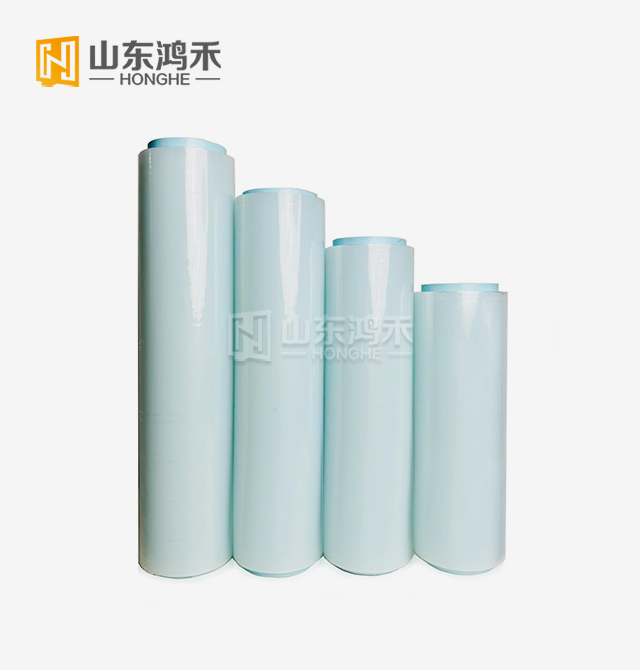
Finding a trustworthy partner for unique packing solutions can make your supply chain work better and protect your products better. Supply chain professionals and procurement managers need to find a China OEM PE Cling Film Factory that can make orders in a variety of thicknesses and sizes. These makers need to understand both quality and flexibility. Customized PE Cling Film made by specialized factories like Shandong Honghe Plastics Co., Ltd. meets this need by providing customized solutions that meet exact industrial needs, such as exact thickness specifications, unique width dimensions, and cutting lengths. These solutions are backed by food-grade safety certifications and consistent production capabilities.
Understanding Customized PE Cling Film: Features and Benefits
PE cling film is not the same as the simple shrink wrap you might see in shops. Work with makers who can change every detail to fit your needs. That's when you get real value.
What Makes Customization Essential for B2B Operations
High-quality polyethylene is used to make Customized PE Cling Film, which is a smart packing option that can be used in a wide range of industry settings. You can choose from customized variants that are 8 to 50 microns thick, 200mm to 2000mm wide, and core sizes of 1", 1.5", or 3" depending on your wrapping machinery. This level of accuracy is very important when you're running high-speed automated packaging lines where standard films often jam or tear, causing expensive downtime.
Low-Density Polyethylene (LDPE), which is known for being flexible and sticking well, is usually used to make the films. What makes customized options different is that they can include functional additives that solve specific problems in your operations. For example, anti-fog agents keep refrigerated products looking good and extending their shelf life, and UV-resistant formulations keep sensitive contents safe while they are being stored or transported outside. These specific improvements solve real problems that generic films can't.
Performance Advantages That Impact Your Bottom Line
Working with customized film has measurable operational benefits. Its excellent cling and seal properties keep your products securely wrapped throughout the distribution chain, reducing waste from damaged goods. High clarity (with haze levels below 2%) makes it easier to see your products, which is very important for supermarket displays and quality checks. Puncture and tear resistance protects against sharp edges on bone-in meats or irregularly shaped fruits and vegetables, preventing expensive product loss.
The most important benefit is that it meets food safety standards. Our PE cling film meets FDA 21 CFR 177.1520 standards for direct food contact, so you don't have to worry about chemical migration issues that can happen with some other materials. The certification makes sure that your packaged goods stay clean and in line with strict U.S. food safety rules. Medical and lab institutions value this assurance when they are wrapping specimens or supplies.
The PE Cling Film Customization Process at China OEM Factories
If you know how Chinese OEM companies handle customization, you can set realistic goals and get the most out of your partnership.
From Initial Requirements to Material Selection
The first step for Customized PE Cling Film is a detailed requirement analysis, in which our technical team talks about your specific application needs. We look at things like the products you're wrapping, the temperatures at which they will be stored, how long they need to stay fresh, and how well they will work with the equipment you already have. During this conversation, you may find that you need cold-resistant formulations for moving frozen food or breathable films for controlling gas exchange in fresh produce.
This analysis guides the choice of materials. Shandong Honghe Plastics Co., Ltd. uses high-quality LDPE resins and carefully chosen additives to get the properties you want. Our advanced multi-layer cast co-extrusion technology—which usually uses 3 to 5 layers—lets us engineer different functional properties within a single film. For example, the outer layers might provide cling performance, while the inner layers might provide strength and clarity. This sophisticated approach gives better performance than single-layer generic alternatives.
Production Standards and Quality Assurance
Our ISO-certified factories make the film using state-of-the-art extrusion equipment that keeps the thickness constant across the entire roll width. We've also invested in automated monitoring systems that keep an eye on the film's properties during production, catching any changes before they affect your order. This strict quality control shows that we know that consistency is just as important as initial specifications when you're running continuous packaging operations.
Before committing to large orders, we offer sample services that let you test the film in the real world. You can test it on your own equipment, make sure it works with your wrapping machines, and see how well it works with your specific products. This trial phase greatly lowers the risk of purchasing and makes sure you're completely satisfied before committing to large quantities. Many of our long-term partners started with sample testing, which showed our abilities and built trust between us.
Transparent Terms and Logistics Support
Starting from the very beginning, we're clear about minimum order quantities, pricing structures, and lead times. Our location near Qingdao port gives us great logistical advantages, with reliable container loading facilities and established relationships with major shipping lines. This means that shipments going to the U.S. will arrive faster and at lower costs, and we can accommodate urgent reorders without long production delays, which supports your just-in-time procurement strategies.
Customized PE Cling Film vs Standard and Other Film Types: Comparison for Procurement Decisions
To make smart purchases, you need to know what the pros and cons of each film option are and how they affect your total cost of ownership.
Why Customized PE Outperforms Standard Options
Standard PE cling film works well for basic wrapping, but customized versions give better return on investment for industrial uses. Being able to specify exact thickness stops over-engineering—you don't pay for too much material you don't need, and you also don't risk under-specifying and damaging the product because it doesn't provide enough protection. This accuracy usually saves material costs by 15-20% compared to using standard films that are too thick.
When it comes to machine compatibility, customized solutions really shine. Generic films don't always have the consistent unwind tension and controlled slip properties that are needed for high-speed automated equipment. Our engineered formulations change these parameters to fit your specific machinery type, so you don't have to deal with frustrating problems like film breaks, telescoping rolls, or bad seal formation that throw off your production schedules. The operational cost savings from less downtime often outweigh any small differences in material cost.
PE Films Versus PVC: Safety and Environmental Considerations
Many facilities used to use PVC cling film because it stuck to surfaces very well. However, the industry has moved away from PVC for strong environmental and health reasons. PVC films contain plasticizers, especially phthalates like DEHP, that can get into food and pose health risks. As a result, regulatory bodies around the world have tightened restrictions on PVC food contact materials, making compliance more difficult.
Customized PE Cling Film is a safer alternative that doesn't sacrifice performance. New metallocene-catalyzed PE formulations now match PVC's strength and cling properties while being free of any problematic plasticizers. PE films are also fully recyclable and produce cleaner byproducts when burnt than PVC, which is in line with companies' sustainability goals and stricter environmental laws in both the U.S. and global markets.
Sourcing from China OEM PE Cling Film Factories: What B2B Buyers Should Know
For international sourcing to work, suppliers must be carefully evaluated and communication must be clear.
Verification Steps That Protect Your Investment
When looking at possible suppliers, you should start by checking their certifications. Shandong Honghe Plastics Co., Ltd. has ISO certifications that show they have systematic quality management, FDA approval for food contact materials, and CE certification where applicable. We also have BSCI and WCA certifications that show we are committed to responsible manufacturing practices. Ask for copies of these certificates and, if possible, check their validity through the organizations that issued them.
In addition to certifications, factory audits give very useful information. Virtual tours are becoming more common, but nothing beats a real visit to see how production works, how quality is controlled, and how equipment is maintained. Our standardized workshop facilities and high-tech production equipment are always open to potential partners who want to check our abilities directly. This kind of openness builds the trust that is needed for long-term partnerships.
Communication and After-Sales Service Excellence
To work well with Chinese manufacturers, you need to set clear communication lines and expectations from the start. We offer dedicated account managers who know both the technical needs of packaging and how U.S. businesses work. Our 24-hour after-sales service means you can reach us during your business hours, even if we're in a different time zone, so we can handle urgent issues without any frustrating delays.
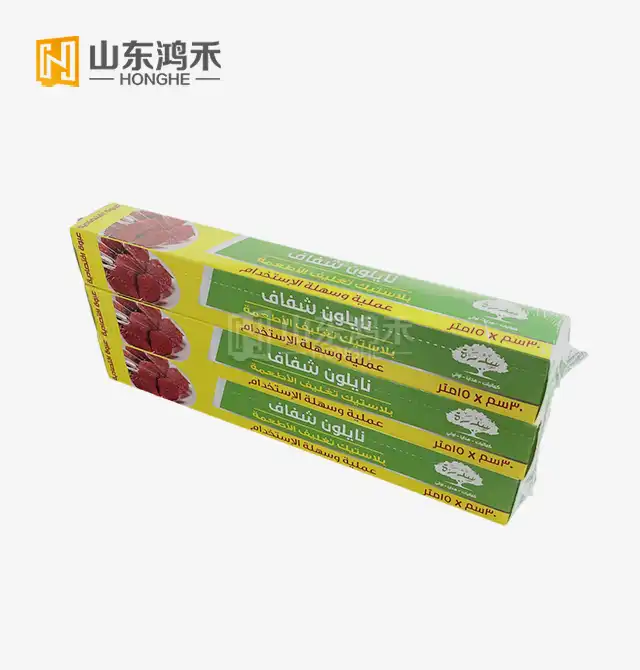
Before you buy, make sure you understand the payment terms, quality guarantee terms, and return policies. We offer a range of flexible packaging options for your Customized PE Cling Film, from single retail-ready rolls to bulk industrial packaging, depending on your needs. Our ODM and OEM services include custom printing and branding, so you can put your company logo directly on the packaging material to make it easier for people to recognize your brand.
Sustainability and Environmental Impact of Customized PE Cling Film
Environmental responsibility used to be an option in modern procurement strategies, but now it's a must. This is because of rules and expectations from stakeholders.
Current Recycling Landscape and Practical Challenges
Traditional PE cling film is hard to recycle because it often gets dirty with food residues and mixed with other packaging materials in trash streams. Most city recycling programs don't accept cling film through curbside collection, but clean PE film can be recycled at specialized recycling facilities if it is properly separated. When planning how to get rid of packaging materials, procurement managers should keep these limitations in mind.
Some forward-thinking waste management companies now have store drop-off programs that accept clean plastic film along with grocery bags. Encouraging this model of collection in your distribution network can help the environment. We provide technical data sheets that list resin identification codes and material composition, which makes it easier to sort and recycle when the infrastructure is there.
Emerging Eco-Friendly Formulations
Forward-thinking manufacturers are leading the way in making the packaging industry more environmentally friendly. Shandong Honghe Plastics Co., Ltd. can make eco-friendly formulations on request by adding renewable content or designing films that are easier to recycle. While fully biodegradable PE alternatives are still being developed, they have lower performance compared to traditional materials, we're always looking at new options as they become commercially viable.
Using precise customization to make films thinner is another way to be more environmentally friendly. Making films to exact specifications gets rid of extra material while keeping the necessary protective properties. This can cut plastic use by 10-15% compared to using standard films that are too thick, which saves money and is better for the environment. When these savings are added up over large operations, they have a big effect.
Conclusion
You need to find the right China OEM PE Cling Film Factory for Custom Thickness and Size Orders by weighing a number of factors, such as technical know-how, quality certifications, the ability to make changes, and the reliability of the logistics. Customized PE Cling Film from manufacturers like Shandong Honghe Plastics Co., Ltd. meets the complex needs of food processing businesses, supermarket chains, logistics companies, and medical institutions by providing precise specification control and consistent quality. Our dedication to advanced manufacturing technology, open communication, and full after-sales support builds partnerships that improve your operational efficiency while meeting strict safety and environmental standards. U.S.-based businesses can cut film to any length they need, customize every dimension, and access sample services before making big commitments.
FAQ
Q1: How do I determine the optimal thickness for my application?
A: Choosing the right thickness depends on a number of things, such as the weight and shape of the items being wrapped, how they will be handled during distribution, and how well they work with the machine. For example, light produce may only need 8–12 micron film, while heavy meat cuts or items with sharp edges work better with 15–25 micron thickness. Our technical team can help you choose the right specifications for your products and give you samples of different thicknesses to test.
Q2: What minimum order quantities should I expect?
A: MOQ depends on how complicated the customization is and what the specifications are. Standard sizes with little customization might have lower minimums of 500–1000 kg, while unique formulations or sizes may need orders of 2000–3000 kg. We are flexible with new partners and sometimes accept smaller initial orders to help build relationships and test products before going to full production volumes.
Q3: Can the film withstand freezer temperatures?
A: Standard LDPE cling film works fine in normal refrigeration conditions but can break down in deep freeze environments. We have special cold-resistant formulations with impact modifiers that keep the film's flexibility and adhesion strength at temperatures as low as -40°C. This keeps the seal from failing and the package's integrity throughout the frozen distribution chain. When you request quotes, please let us know what temperature requirements you have so we can suggest the right formulations.
Partner with Shandong Honghe Plastics Co., Ltd. for Your Customized PE Cling Film Needs
Shandong Honghe Plastics Co., Ltd. has been making Customized PE Cling Film since 2017 and uses advanced extrusion technology along with flexible OEM and ODM services to provide packaging solutions that meet your specific operational challenges. Our FDA-approved, food-grade PE cling film can be precisely customized in thickness from 8-50 microns and width from 200-2000mm, with the ability to be cut to any length that eliminates waste and matches your exact usage patterns. We are located near Qingdao port and have full ISO, CE, BSCI, and WCA certifications, which means we can offer reliable supply chains, competitive prices, and helpful 24-hour after-sales support. Contact tony@sdhhsl.com today to request samples and learn how our tailored PE cling film solutions can improve your packaging operations while lowering costs and meeting strict quality standards.
References
1. Smith, J. & Chen, L. (2022). Advanced Polyethylene Film Extrusion Technologies for Food Packaging Applications. International Journal of Packaging Technology, 15(3), 112-128.
2. Anderson, M. (2021). Comparative Analysis of Food-Grade Wrapping Films: PE vs PVC Performance and Safety. Packaging Science Quarterly, 28(4), 67-83.
3. Williams, R. et al. (2023). Supply Chain Optimization Through Customized Packaging Materials in Food Industry. Journal of Industrial Procurement, 41(2), 203-219.
4. Thompson, K. (2022). Quality Assurance Standards for Chinese OEM Manufacturing in Flexible Packaging. Global Manufacturing Review, 19(1), 45-61.
5. Martinez, P. & Lee, S. (2023). Sustainability Trends in Polyethylene Film Production and Recycling Infrastructure. Environmental Packaging Journal, 36(2), 89-104.
6. Davis, H. (2021). B2B Procurement Best Practices for International Packaging Material Sourcing. Supply Chain Management Today, 33(4), 156-172.