


_1750233969309.png)
PE Food Cling Film Applications in Supermarkets and Retail Packaging
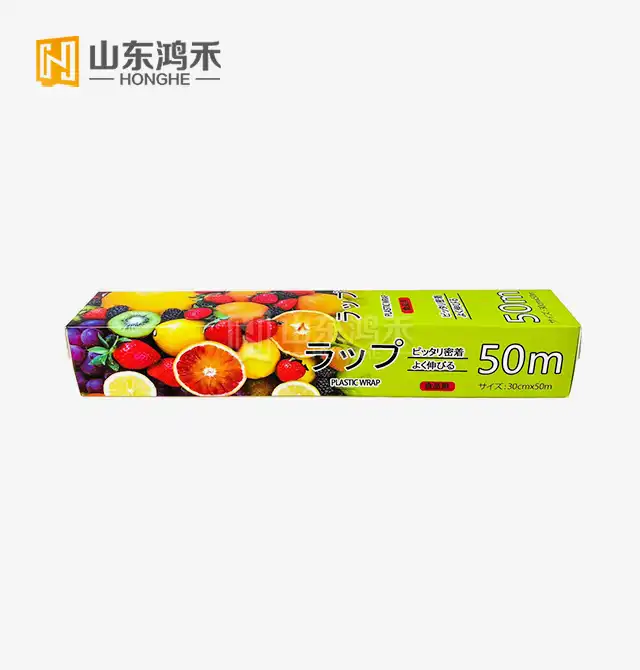
Walking through the fresh food area of a grocery store, almost every item, from sliced deli meats to pre-cut veggies, depends on a thin, clear barrier to keep its quality and look. PE Food Cling Film, which is made from safe polyethylene, is now the most common way to package food for sale. This special wrapping solution keeps food fresh, stops contamination, and extends shelf life. It also meets the strict food safety standards that procurement professionals today demand. Modern PE Food Cling Film works better than older PVC options that had harmful plasticisers in them. It also doesn't hurt people or the earth.
Retail packaging is under more and more pressure from stricter rules, calls for sustainability, and customer standards for clear, clean food display. The job of procurement managers and supply chain directors is to find cost-effective packaging solutions that meet regulations and standards. To choose the right food-grade wrapping material, you need to know its technical specs, whether it needs to be certified, and whether it will work with your current packaging system. This guide takes these problems head-on and gives B2B buyers useful information for handling the complicated world of retail food packing materials.
Understanding PE Food Cling Film – Properties and Benefits
Material Composition and Safety Standards
Low-Density Polyethylene (LDPE) or Linear Low-Density Polyethylene (LLDPE) is mostly used to make PE Food Cling Film. This is done through controlled extrusion processes. This material is unique because it doesn't contain any harmful plasticisers like phthalates. Because of this, it can come into direct contact with all kinds of food, even high-fat foods like cheese and butter. At Shandong Honghe Plastics, we use food-grade PE material in our production process, which is in line with FDA and EU food contact rules. This makes sure that every roll meets international safety standards.
Polyethylene's molecular structure makes a barrier that is both flexible and strong. This barrier stops moisture loss while letting controlled oxygen pass through. This ability to breathe is especially helpful for fresh food, which still breathes after it's been picked. The PE Food Cling Film stays structurally sound at temperatures ranging from -60°C to +110°C, so it can be used for both freezing and reheating in the microwave. With thicknesses ranging from 8 to 12 microns, buyers can choose the right specification for their needs, whether they're wrapping delicate berries or securing thick meat cuts.
Core Performance Advantages
Quality PE Food Cling Film has a direct effect on how well stores run and how much money they make. Superior cling properties create airtight seals that greatly reduce food waste and spoilage, which is very important for supermarket chains that deal with thousands of perishable items every day. High clarity and low smoke levels keep products visible, so customers can check the quality of food without taking it out of the package. This clear visibility helps people decide to buy while lowering handling that could harm health.
Another important quality for high-volume store settings is the ability to fight punctures. Products with odd forms or sharp edges, like bone-in chicken pieces, pineapple tops, or shellfish, need wrapping materials that won't tear when they're being packed or handled by customers. Our PE Food Cling Film has great tensile strength and elongation properties, so it can stretch to fit different product shapes without affecting the integrity of the seal. Because of these technical benefits, there are fewer problems with packaging, less work needs to be done to rewrap items, and customers are happier because goods are always presented the same way.
Environmental and Sustainability Considerations
Sustainability goals set by companies are having a bigger impact on purchasing choices, and PE Food Cling Film is much better for the environment than PVC options. Under Resin Identification Code 4, PE Food Cling Film can be recycled in the same way as other plastics and doesn't need any extra processing. When PE Food Cling Film is burnt, it mostly releases carbon dioxide and water vapour instead of harmful chlorine compounds. This means that if materials end up in waste-to-energy facilities, they will have less of an effect on the environment.
Material thickness optimisation helps reach environmental goals by reducing the amount of plastic used while still meeting performance standards. When made correctly, a 10-micron PE Food Cling Film can provide the same level of protection as thicker options while using less raw materials and producing fewer emissions per unit packaged. We help buying teams find standards that meet both practical needs and environmental promises. This way, we can support corporate social responsibility efforts without losing usefulness or cost-effectiveness.
Comparing PE Food Cling Film with Alternative Packaging Films
PE vs. PVC: Material and Safety Differences
The difference between PE Food Cling Film and PVC cling films is not just a matter of chemical makeup; it has a big impact on food safety and following the rules. PVC films used to stick to things by using plasticisers like DEHA (di-2-ethylhexyl adipate), which can move into fatty foods when they come into touch with them. Regulations and customer health worries have been caused by this migration risk, especially in markets with strict food safety oversight, such as the EU and the US.
PE Food Cling Film doesn't have this problem at all because it sticks to things using the polymer's natural stickiness or safe additives like polyisobutylene (PIB). Because PE Food Cling Film is chemically inert, procurement managers can confidently use it for all types of food without sorting packaging materials by fat content or doing a lot of migration tests. The cost effects are big: it's easier to keep track of supplies, compliance testing costs go down, and liability risks related to plasticiser exposure claims go away.
Performance Evaluation Across Applications
When used in cold storage and freezers, PE Food Cling Film stands out because of how well it handles temperature. Some other materials get hard at temperatures below zero, but good PE Food Cling Film stays flexible and seals well, so there is no freezer burn or moisture movement during long storage. This trait is very important for grocery stores with big sections of frozen foods or distribution centers that handle stock that needs to be kept at a certain temperature.
Oxygen and moisture transmission rates are very different between film types, which means that some films are better for some products than others. PE Food Cling Film lets some air through, which helps fresh food breathe and stops anaerobic conditions that speed up rotting. Instead, its great ability to keep moisture in keeps cut meats and ready-made foods from drying out. By knowing these transmission characteristics, procurement teams can match film specifications to product categories, which extends the life of different types of inventory and cuts down on waste.
Selecting the Right Film for Retail Requirements
Instead of just looking at the buying price per roll, decision factors should include the total costs over the life of the roll. Because PE Food Cling Film is more durable, less material is often used because less packaging fails and tighter wraps need less film per unit. Also, materials that are easy to use and stick to things regularly make workers more productive and cut down on the time they need to spend on packing tasks.
For retail presentation, clarity and transparency are still very important. People quickly decide what to buy based on what they see, and hazy or yellowed wrapping materials make the product look less fresh, even if the quality of the product itself is good. High-clarity PE Food Cling Film makes a product look better, which helps it be positioned as a premium item and keeps it from being marked down because of problems with quality. To make sure that film samples meet your brand's appearance standards, look at them in a store with normal lighting.
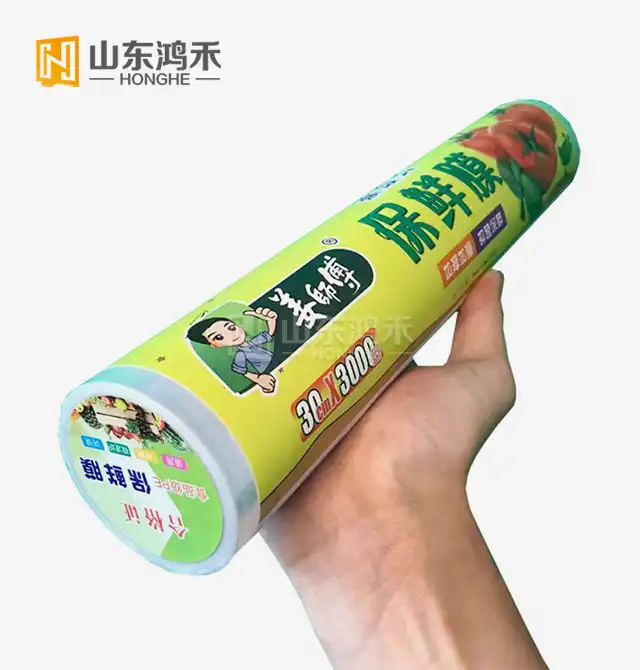
Practical Applications of PE Food Cling Film in Supermarkets and Retail Packaging
Fresh Produce Packaging Solutions
When it comes to packaging, supermarket produce departments have special problems. Products come in large quantities, need to be processed quickly, and need to be wrapped in a way that keeps their appearance during the cold chain. This is what PE Food Cling Film is used for in a number of specific situations. Film that changes the atmosphere helps pre-cut vegetable trays because it slows down enzymatic browning and stops water from building up, which can cause slime to form.
Berry wrapping shows how versatile the material is. The PE Food Cling Film has to be able to stretch over irregularly shaped containers, stay clear to show off the quality of the fruit, and keep moisture in without making condensation. For automated equipment in central kitchens that wraps trays to work at high speeds without getting stuck, the PE Food Cling Film needs to be a uniform thickness and have certain slip qualities. Our roll widths can be changed from 300 to 500 mm to fit a range of equipment configurations and make it easy to integrate into existing packaging lines.
Meat and Seafood Department Applications
Most supermarkets' most valuable items are in their protein sections, so the quality of the packing is closely linked to how much money the store makes. PE Food Cling Film is a clean barrier that meets USDA and FDA standards for direct meat contact and keeps food from getting contaminated while it's being stored or displayed. The PE Food Cling Film's ability to resist punctures protects it from bone fragments and sharp edges that would damage less durable materials.
In refrigerated meat cases, where temperature differences cause condensation, anti-fog properties are very important. Fogged packaging makes it hard to see what's inside, which makes customers think the quality is bad and sends them to a rival. Advanced PE Food Cling Film formulas use anti-fog masterbatches to keep the clarity of the product during cold display. This makes sure that the product looks the same from the time it is wrapped until it is sold. This visual uniformity helps premium price tactics and cuts down on waste from products that people think aren't as good because of how the packaging looks.
Ready-to-Eat and Prepared Food Wrapping
As the market for ready-to-eat foods grows, it needs packaging options that balance ease of use, safety, and appearance. Using PE Food Cling Film for packaging makes it possible to use tamper-evident wrapping, which gives customers peace of mind and makes it clear that the package is still whole. Tight seals keep food safe throughout the distribution chain by stopping spills during travel and handling. This cuts down on losses from broken goods and upholds food safety standards.
Options for customisation make operations more efficient for prepared food businesses that make a lot of food. Roll lengths range from 300 meters to 1500 meters, so they can be used in a variety of ways, from small delis inside stores to large-scale commissaries. Core diameters of 38mm or 76mm make them compatible with a wide range of pump systems, so you don't have to pay extra to change the equipment. We offer technical advice to help procurement teams choose the best configurations that require the fewest changes and produce the most during busy times.
Procurement Guide for PE Food Cling Film – What B2B Buyers Need to Know
Identifying Qualified Suppliers and Certifications
Checking a supplier's basic certifications that show they follow food safety and quality standards is the first step in the screening process. Systematic quality management is shown by ISO 9001 certification. Food safety management systems are shown by ISO 22000 or FSSC 22000 certification. In addition to basic ISO certifications, you should look for suppliers who have FDA registration and EU food contact compliance documentation. These show that the material meets the strictest rules for use in food packaging.
Third-party certification adds another level of verification that lowers the risk of buying something. Shandong Honghe Plastics' BSCI and WCA approvals show that the company is dedicated to using only ethical manufacturing methods and creating safe working circumstances. More and more, these certificates are important to how companies buy things and what customers expect, especially for brands that make public promises to be more environmentally friendly. Ask for copies of the certificates and proof numbers that can be used to check claims on their own. This will protect your business from supply chain compliance fails.
Strategic Purchasing Considerations
The total cost of packaging for grocery store chains and food processors is greatly affected by pricing structures that are based on volume. When compared to smaller sales, buying in bulk usually results in 15–30% cost savings, but this must be weighed against the costs of keeping goods and the limited space for storage. Figure out how much you use each month and talk to sellers about setting prices that will reward loyalty while still allowing for regular changes in demand.
Logistics skills are what set strategic partners apart from good suppliers. Being close to major ports, like where we are in Qingdao, lowers the cost of shipping and the time it takes for international buyers to get their goods. Find out about the minimum order size, wait times, and services that can help you handle your inventory. When suppliers keep a lot of stock on hand, they can quickly respond to sudden increases in demand. This keeps production from stopping and avoids expensive emergency shipping fees that eat away at budgeted savings.
Evaluating Quality Through Sample Testing
Before making a purchase decision, a sample should be carefully tested in real-world operating conditions. Ask for samples in the thickness and width you need, and then test them on your packing tools to see how they dispense, how well they stick, and how well they seal. Do tests on sample goods that will be stored in the fridge to see how well they keep their clarity, how well they keep wetness out, and if they might react with food products.
Before making big purchases, make sure you have clear quality metrics and acceptance criteria. Check the difference in PE Food Cling Film thickness across the width of the roll. It should stay within 10%. Check the tensile strength by puncturing it with sharp objects like bone pieces or vegetables. Check the consistency of the cling by wrapping different kinds of containers, like ceramic, glass, stainless steel, and plastic, to make sure the performance is flexible. Write down these basic performance standards so that the quality stays the same for all future orders and supplier performance reviews.
Sustainable Sourcing and Eco-Friendly Options
As companies try to meet regulatory requirements and stakeholder expectations, environmental responsibility is becoming a bigger part of how they buy things. When looking at different types of PE Food Cling Film, you might want to think about materials that contain post-consumer recovered content. This lowers the need for new plastic while still meeting performance standards. Talk about ways to make the thickness better so that the same level of safety is achieved with less material, which directly cuts down on plastic use and shipping emissions.
Environmental methods of suppliers should be looked at more closely than just the product specs. Find out about the energy sources used in manufacturing, programs to cut down on waste, and how to handle the disposal of old materials. Suppliers who are on the cutting edge offer recycling tips or take-back programs that support the ideas of the circular economy. We are also committed to helping our clients come up with sustainable packaging plans that balance their environmental goals with the needs of their business and their budgets. This way, we can work together to achieve goals of shared responsibility.
Future Trends and Innovations in PE Food Cling Film for retail packaging in the future
Biodegradable and Compostable Material Development
New developments in material science are making PE Food Cling Film alternatives that keep their performance while providing better ways to get rid of them when they're no longer needed. Bio-based PE made from sugarcane ethanol works the same way as petroleum-based polymers, but it leaves behind less carbon dioxide when it is made. Even though bio-PE costs more than other materials right now, economies of scale and growing use are bringing down the differences in price, making it a good choice for buying strategies that focus on sustainability.
When it comes to store packaging, compostable film solutions offer both chances and problems. Materials such as PLA (polylactic acid) and PHA (polyhydroxyalkanoates) break down in industrial composting facilities and may mix with food waste in the organic waste streams. However, these materials aren't as good at keeping out wetness and extreme temperatures as regular PE Food Cling Film at the moment. Procurement teams should keep an eye on how technology changes while also being realistic about what will be possible in the near future for demanding store uses.
Smart Packaging Integration
Adding digital technology to packaging is turning it from something that blocks information into something that provides it. Time-temperature indicators that are built into or written on PE Food Cling Film make it easy to see that the cold chain is working properly. This lowers the risk of liability and loss caused by temperature-excursion events. When QR codes are printed directly on PE Food Cling Film, they can be used to get people interested in a product by linking to information about it, recipes, or sustainability credentials that boost brand value and customer loyalty.
In the future, new technologies might include biosensors that find chemicals that cause food to go bad, which would allow real-time tracking of freshness throughout the supply chain. With these technologies, prices could change based on how long food actually has left on the shelf instead of random date codes. This would cut down on waste while keeping food safe. Full commercial deployment won't happen for years, but procurement professionals who are looking to the future should talk to suppliers about new features and pilot programs to put their companies at the forefront of innovation.
Regulatory Evolution and Market Demands
As time goes on, regulations keep changing in ways that make it harder to touch food and make environmental rules tighter. The Circular Economy Action Plan of the European Union and several state-level plastic reduction programs in the U.S. show that governments are getting more involved in packaging materials. When making procurement plans, it's important to think about the future of regulations as well as the current ones. This way, you can avoid expensive material changes or stock that isn't being used as requirements get stricter.
As retailers respond to market demands for eco-friendly and clear packaging, consumer tastes are becoming more and more important in B2B purchasing decisions. More and more survey results show that people are willing to pay more for goods that are packed in materials that are better for the environment. This makes a business case for investing in sustainable packaging. This trend mostly affects high-end and organic goods, whose packing matches how the brands are positioned. By keeping up with how customers feel, buying teams can guess what retailers will need and place their companies as responsive partners instead of reactive followers.
Conclusion
PE Food Cling Film has changed from a simple material for wrapping into a sophisticated way to package food that solves many of the problems that supermarkets and food supply chains face. It is the best choice for buying workers who need to balance quality, compliance, and cost-effectiveness because it is safe for food, reliable in performance, and good for the environment. Because the material can be used for fresh fruit, meat packaging, and ready-to-eat foods, it makes stocking simpler while still meeting the performance needs of each group.
To do good procurement, you need to look at more than just price per roll. You also need to look at the total lifecycle value, the supplier's skills, and how well they fit with your company's sustainability goals. Purchasing managers can make decisions that improve operational efficiency and lower risk by knowing technical specifications, certification requirements, and performance needs specific to each application. Materials and technologies will continue to be improved in the future, which will create chances for businesses that build strategic relationships with suppliers and stay up to date on changes in the industry.
FAQ
Q1: Is PE cling film safe for direct food contact with all product types?
A: PE Food Cling Film made from food-grade polyethylene and no harmful plasticisers can come into direct contact with all types of food, even high-fat foods like cheese, butter, and raw meats. Unlike PVC options, PE Food Cling Film doesn't let plasticisers move around, so it meets FDA and EU standards for all food-contact uses.
Q2: Can PE Food Cling Film be used in freezer storage and microwave heating?
A: Good PE Food Cling Film stays flexible and seals well at temperatures ranging from -60°C to +110°C, so it can be stored in the freezer and heated up in the microwave. The material keeps food from getting freezer burn when it's stored in the freezer for a long time. It can also be used safely in the microwave without melting or releasing dangerous chemicals. Always check the product's specs to make sure it can handle the temperature range you want it to handle.
Q3: What environmental advantages does PE film offer compared to PVC alternatives?
A: Regular recycling programs can fully recycle PE Food Cling Film (Resin Code 4), and making it or throwing it away doesn't release any harmful chlorine chemicals. The phthalate plasticisers in PVC are not present in PE Food Cling Film, so there is less chance of environmental contamination. Compared to other packing materials, PE Food Cling Film is lighter and can be made in different thicknesses, which means less material is used and less pollution is released during shipping.
Partner with Shandong Honghe Plastics for Reliable PE Food Cling Film Supply
Shandong Honghe Plastics Co., Ltd. has everything a business buyer looking for in a reliable PE Food Cling Film maker could want. We started our business in 2017 and have been making PE Food Cling Film that meets international safety and quality standards. Our products are certified by ISO, FDA, CE, BSCI, and WCA. Our state-of-the-art factories close to Qingdao port make sure that logistics run smoothly and that your needs are met quickly.
We know how hard it can be to get things when you need them customised, consistently high quality, and quick service. That's why we offer a range of specs, from 8 to 12 microns thick and 300 to 500 mm wide, so that we can fit your exact equipment and application needs. Our free sample service lets you fully evaluate before committing, and our ODM/OEM skills allow us to meet your needs for branded packing. We're ready to become your strategic packaging partner because we have a large inventory, offer competitive pricing for bulk orders, and offer 24-hour after-sales support.
Email tony@sdhhsl.com to talk about your unique PE Food Cling Film needs and find out how our manufacturing know-how and customer-focused approach can help you meet your quality and sustainability goals while improving your store package processes.
References
1. Smith, J.R. & Thompson, L.K. (2022). "Food Packaging Materials: Safety, Performance, and Regulatory Compliance in Modern Retail Environments." Journal of Food Protection Technology, 45(3), 178-195.
2. Environmental Protection Agency (2021). "Lifecycle Assessment of Polyethylene Film in Food Service Applications: A Comparative Analysis." EPA Sustainable Materials Management Series, Report No. EPA-530-R-21-004.
3. Martinez, A.C. (2023). "Advances in Polyethylene Cling Film Technology for Fresh Produce Preservation." International Journal of Postharvest Technology and Innovation, 8(2), 112-129.
4. Food and Drug Administration (2022). "Guidance for Industry: Recommendations for Chemistry Data for Indirect Food Additive Petitions—Polyethylene Food Contact Materials." FDA Center for Food Safety and Applied Nutrition.
5. Wilson, D.P. & Chen, M.H. (2023). "Cost-Benefit Analysis of Packaging Material Selection in Supermarket Operations: Quality, Safety, and Sustainability Considerations." Retail Food Management Quarterly, 31(4), 267-284.
6. European Food Safety Authority (2021). "Scientific Opinion on the Safety Assessment of Polyethylene for Use in Food Contact Applications." EFSA Journal, 19(8), e06712.