


_1750233969309.png)
Why Restaurants Prefer Easy To Tear PE Cling Film for Daily Use
Easy To Tear PE Cling Film is chosen by restaurants because it solves the main problems that commercial kitchens have, which are speed, safety, and keeping food fresh. This polyethylene-based packing solution gets rid of the need for sharp metal cutters, makes work easier by releasing easily, and keeps seals airtight on containers of all sizes. This film is approved by the FDA and meets standards for food handling. It follows cleanliness rules and speeds up work during busy times. This leads to measurable improvements in efficiency, less waste, and better food safety.
Understanding Easy to Tear PE Cling Film: Features and Benefits
What Makes This Film Different from Traditional Wraps?
A special way of making things using Low-Density Polyethylene (LDPE) and Linear Low-Density Polyethylene (LLDPE) blends is what makes this wrapping solution work. Instead of the usual PVC films that have phthalate plasticisers in them, this PE-based option has perforation lines that are already set or changes in the molecular direction. These changes to the engineering create a balance between tensile strength and controlled breaking. This lets the film snap without stretching too much. The thickness is usually between 8 and 15 microns, but it can be changed to fit the needs of each kitchen.
Core Features That Drive Restaurant Adoption
Commercial kitchens need packaging materials that work well even when they're under a lot of stress. This polyethylene cling film has a number of benefits that directly meet operational needs. The material is very clear, so it's easy to see what's inside the packages right away. This helps cooks avoid mistakes while making meals. Better cling properties keep air out of containers made of stainless steel, pottery, and glass without leaving behind sticky leftovers. The resistance to punctures keeps the food safe even when it's stacked high in busy walk-in freezers.
Another important benefit is that it is thermally stable. This film stays flexible and seals well in blast freezers at temperatures as low as -60°C. It is also safe to use in microwaves up to 110°C. This level of versatility gets rid of the need for various wrapping goods, which makes it easier for buying managers to keep track of their stock. The fact that dangerous chemicals like BPA and DEHP are not present meets strict FDA 21 CFR 177.1520 standards, making sure that food safety rules are followed.
Tangible Benefits for Food Service Operations
The operational benefits go beyond just wrapping food. The Easy To Tear PE Cling Film tears neatly, so kitchen staff don't have to pull it out over and over or use containers with serrated edges, which can be hard on the hands. When workers have long shifts and have to wrap a lot of things, this practical benefit becomes very important. Getting rid of sharp metal slide cutters lowers the risk of injuries at work, which is good news for operations managers who are in charge of making sure safety rules are followed.
Compared to standard films, there is a lot less material loss. Operators can tear exact lengths without the extra material that comes up when film goes past its intended covering area. The high oxygen permeability lets fresh food breathe, and the moisture barrier keeps food from drying out. Compared to poor wrapping methods, this makes the food last 20–30% longer on the shelf. Because of these storage qualities, food doesn't go bad as quickly, which saves money for supply chain managers who keep track of waste data.
Why Easy to Tear PE Cling Film Is Ideal for Restaurant Use?
Addressing Hygiene and Cross-Contamination Challenges
Health offices have strict rules about surfaces that come into touch with food and how to store it. This polyethylene film makes a good barrier that stops bacteria from moving from raw ingredients to cooked ones. Because each sheet is only used once, there are no cross-contamination risks like there are with reusable containers. Using approved food-grade packing materials shows that you follow sanitation rules during health checks.
Because the film is clear, you can quickly see what's inside without having to open it. This cuts down on needless handling that can introduce contaminants. The staff can quickly see what items are kept, which cuts down on the time the fridge doors are open and helps keep the cold chain temperatures stable. This feature of exposure also helps with stock rotation, making sure that earlier items are used up before new ones arrive.
Improving Operational Efficiency During Service Rushes
In commercial kitchens, time is of the essence and seconds count. The Easy To Tear PE Cling Film feature lets prep cooks quickly wrap things without having to look for scissors or deal with film that is tangled. During busy times like lunch and dinner, this speed edge lets them get to the next order faster. Line cooks can quickly seal up ingredients that haven't been used all the way through and put them back in the fridge, so the ingredients stay fresh during service.
The film can be used with high-speed packaging lines, which is good for food processing businesses that prepare catering orders or portion out ingredients ahead of time. When this material is used in automated wrapping systems, they can keep working without getting stuck or needing new blades all the time. This dependability cuts down on downtime and repair costs, which are important for plant warehouse supervisors who are in charge of keeping up with production schedules.
Cost-Saving Benefits Through Waste Reduction
Purchasing managers who are careful with their budgets always look at the true cost-per-wrap estimate. The price of the first roll is important, but the total cost relies on how much material is used and how much trash is made. The controlled tear strength of this polyethylene film stops sheets from ripping unevenly, which means workers don't have to throw away broken pieces and start over. Because each roll performs the same, usage rates can be predicted, which makes planning supplies easier.
People who buy a lot of things can get big savings when they buy in bulk. When compared to retail packaging, restaurants that use 10-15 rolls per month can negotiate price levels that lower the cost per unit by 15–25%. The longer roll lengths, which range from 300 to 1500 meters, cut down on the number of times rolls need to be changed. This saves time and money on packing trash from cores and boxes that are thrown away.
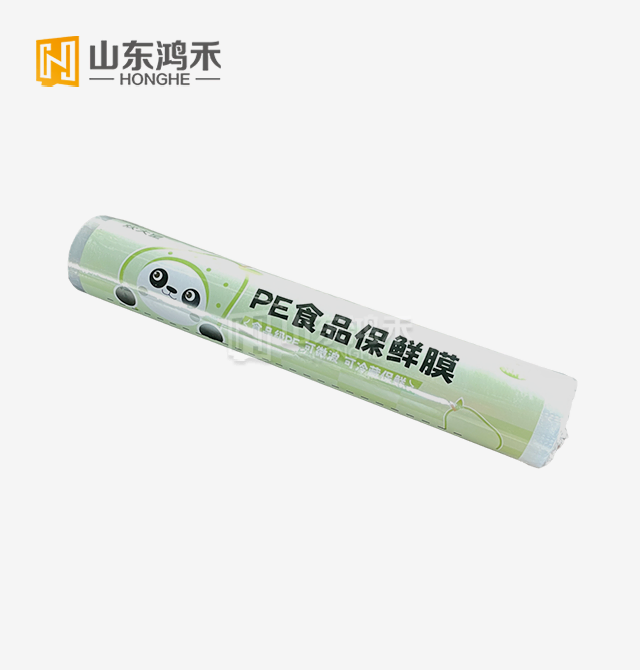
Comparison Overview: Easy to Tear PE Cling Film vs Other Packaging Films
Performance Analysis Against Traditional PVC Wraps
PVC cling films have been used in the food service industry for a long time because they stick better than other films, but health and environmental concerns have led many businesses to look for alternatives. Plasticisers are added to PVC films to make them stick, but these chemicals can get into fatty foods while they're being stored. These chemicals are being looked at more closely by regulators, especially in California and the EU, where limits on some phthalates have been put in place.
Polyethylene formulations today can stick to things just as well as PVC because they use safe tackifiers like Polyisobutylene (PIB) or metallocene-catalyzed polyethylene (mPE). The way these PE films stick to the sides of containers is about the same, but they can be recycled and don't give off any harmful chemicals when they burn. The switch from PVC to PE is a proactive move by food groups that want to build programs for sustainable buying.
Evaluating Stretch Film Applications in Food Service
Stretch films are useful for certain tasks in shipping and sealing pallets, but they can't always be used in food service settings. These films can't be used to wrap individual plates or small objects because they need to be stretched by hand or by a machine. When applied to light food items, the higher size needed for stretch film to be load-bearing means that too much material is used.
Easy To Tear PE Cling Film sticks to surfaces because it is naturally sticky, not because it is under stress. This means that it can be used to carefully wrap fragile items like decorated pastries or treats on a plate without breaking them. The thinner shape uses less raw material per wrap, which is good for the environment and gives enough security. When you wrap thousands of items every week, the economic efficiency is clear because the cost of the materials per unit goes down by a lot.
Biodegradable Options and Market Positioning
Companies care a lot about the environment when they buy things, which is why compostable films made from plant-based polymers are becoming more popular. End-of-life perks are available for these products, but they aren't working as well as they could right now. Biodegradable films are often more easily torn, have less cling strength, and are more sensitive to changes in temperature than regular polyethylene films.
For restaurants with a lot of customers, the real world means balancing environmental goals with operational reliability. Easy To Tear PE Cling Film can be recycled through established collection programs, which is good for the earth and doesn't hurt performance. Many cities and towns now recycle PE films, and partnerships between suppliers can make it easier for people to return used film and have it turned into new products. This method has measurable benefits for the environment while still meeting the functional standards that commercial kitchens need.
Procurement Guide for Easy to Tear PE Cling Film in the B2B Market
Identifying Certified Suppliers and Quality Standards
When purchasing managers look at suppliers, they should check more than one compliance certification. FDA approval means the material meets standards for food contact, and ISO certifications show that the production method is consistent. Certifications like BSCI and WCA show that a company uses fair labour methods and responsible manufacturing, which is becoming more and more important for corporate social responsibility programs.
By asking for product detail sheets, you can compare sellers' technical offerings. Some important factors are exact thickness measures, tensile strength values, and elongation rates. Manufacturers with a good reputation give thorough migration test results that show no dangerous substances leak into food simulants. If a provider can provide independent lab test results instead of self-certification, it shows that they are committed to quality assurance and openness.
Customization Options for Brand Differentiation
In addition to basic clear film, the ability to customise it creates practical and marketing benefits. With custom-printed films, company logos, heating directions, or allergen labels can be written right on the wrap. This branding makes the restaurant's takeaway and catering services part of its identity, not just its dining rooms. For custom printing, the lowest amount you can order is usually between 500 and 1000 rolls, which is doable for medium-sized restaurant groups.
Customising thickness meets the needs of different applications. Bowls and plates can be covered with lighter 8-micron films, which saves money on materials for high-frequency sealing jobs. Heavier 15-micron versions make it harder to puncture things that have sharp edges or bones. With widths from 30 to 60 centimetres, different container sizes can be accommodated. This means that businesses can stock a range of sizes, which cuts down on waste from sheets that are too big.
Evaluating Total Cost of Ownership
When you do smart procurement, you look at all of the costs, not just the unit price. Core sizes of 38mm or 76mm may not work with current dispensers, so you may need to buy new fixing parts. Roll lengths between 300 and 1500 meters affect how much space is needed for storage and how often you need to reorder. Longer rolls require more dry store space but less packing waste and change-over time.
When building relationships with suppliers, things like payment terms and minimum order amounts can be changed. Many makers offer savings for buying in bulk starting at 100 rolls, with prices getting better at 500 and 1000 rolls. Purchasing managers who have to balance operational budgets with inventory investments can better manage their cash flow when payment terms are extended to 30 or 60 days. Setting up yearly contracts with shipping every three months locks in good prices and makes sure there is a steady supply of Easy To Tear PE Cling Film.
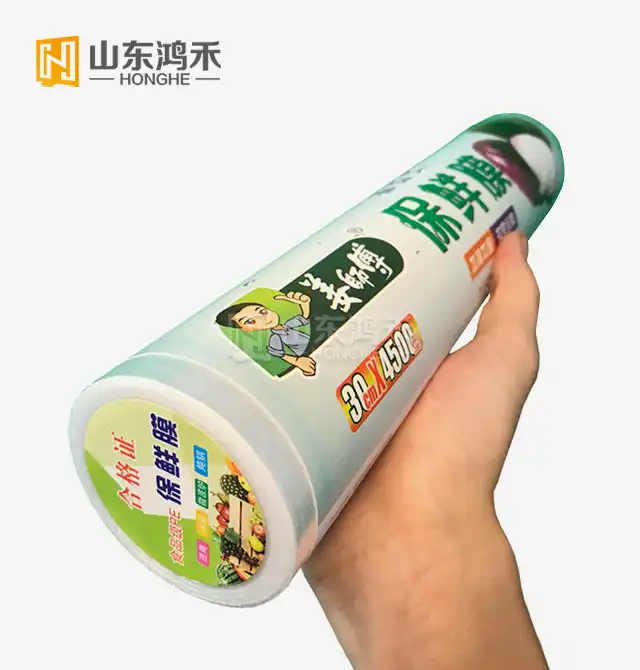
Sustainability and Future Trends in Easy to Tear PE Cling Film
Recyclability and Waste Management Programs
The restaurant business makes a lot of packaging waste, so choosing the right materials is important for the environment. The resin identification code for polyethylene films is either #4 (LDPE) or #2 (HDPE), and both are widely accepted in recycling programs. Multi-layer laminates can't be recycled, but single-material PE films can be gathered, cleaned, and used to make new things like composite lumber or plastic bags.
More forward-thinking suppliers now have take-back programs where used film is picked up during regular delivery routes. This closed-loop method makes sure that trash goes into recycling lines instead of landfills. Restaurants that take part in these kinds of programs improve their reputation for sustainability, which is becoming more and more important to customers who choose where to eat based on their environmental beliefs. Being able to measure how much trash was diverted gives sustainability reports and corporate responsibility statements real facts.
Emerging Technologies in Film Manufacturing
Innovations keep making films work better while having less of an effect on the earth. With new extrusion techniques, thinner films that keep their strength can be made, which means that less raw material is used per roll. Nano-layer technology uses many very thin layers that improve protective qualities without making the whole thing thicker. These improvements make it easier to store food longer while using less plastic.
Bio-based PE made from green sources like sugarcane is an alternative to polymers made from fuel. Even though these bio-attributed versions of PE are chemically the same as regular Easy To Tear PE Cling Film, they leave less of a carbon footprint when they are made. The material can still be recycled and performs well, so it can be used as a temporary fix until fully reusable options become available. To stay ahead of legal changes and customer standards, procurement strategies that are forward-thinking use these new materials.
Anticipating Regulatory and Market Shifts
More and more, the government is putting limits on single-use plastics. However, food-contact films are usually excluded because they are needed for food safety. As laws change at the state and local levels, smart restaurant owners keep an eye on them so they can quickly adapt. Having access to legal alternatives as rules change is made easier by working with suppliers who invest in new materials.
As quickly as rules change the market, so do consumer tastes. Surveys show that 68% of guests think about how environmentally friendly a restaurant is when they decide where to eat. Customers who care about the environment respond well to clear communication about packaging options, such as choosing recyclable PE films over non-recyclable alternatives. This openness makes people more loyal to the brand and improves operational efficiency by showing that the product works.
Conclusion
Packaging options that balance efficiency, safety, and cost-effectiveness are important for restaurants. As industrial kitchens need to be useful and meet strict food safety standards, Easy To Tear PE Cling Film that is easy to tear work well. With its reliable binding features and ability to work with a wide range of temperatures, this material is a must-have for food service businesses that want to run smoothly. When purchasing managers carefully look at a supplier's certifications, customisation options, and total cost of ownership, they can form partnerships that are good for business and good for the environment. As the restaurant business moves toward more environmentally friendly methods, plastic films that are easy to recycle and use few resources can help restaurants meet both current and future needs.
FAQ
Q1: How does PE cling film compare to PVC for food safety?
A: Easy To Tear PE Cling Film doesn't have any plasticisers like phthalates that can get into foods, especially fatty ones. This makes it safer to touch food directly, especially cheese, meat, and meals with a lot of oil. It is safe for all kinds of food, as shown by FDA approval and EU compliance.
Q2: Can customized films be ordered in smaller quantities?
A: For setup costs to be worth it, custom printing usually needs at least 500 to 1000 rolls of paper. Standard films, on the other hand, come in different widths and thicknesses and can be bought in smaller amounts. Usually, 50 to 100 rolls are enough for wholesale buyers to try out new sellers before signing bigger contracts.
Q3: Does the easy-tear feature work consistently throughout the roll?
A: Through careful extrusion control and quality testing, good manufacturers make sure that the tear properties are the same from the first metre to the last. Standardised tear propagation testing shows that the perforation lines or molecular orientation stay the same from one production batch to the next.
Q4: What certifications should procurement managers verify?
A: Some important certifications are FDA 21 CFR 177.1520 for materials that come into contact with food, ISO quality management standards, and manufacturing ethics certifications like BSCI. Ask an outside lab to do migration tests on food simulants and show that the results show that the total migration limits have been met.
Partner With Shandong Honghe Plastics for Superior Film Solutions
The main thing that Shandong Honghe Plastics Co., Ltd. does is make high-performance Easy To Tear PE Cling Film that meets the strict needs of food service businesses. Our facility was built in 2017 near the port of Qingdao. It uses high-tech extrusion equipment to make films with thicknesses between 8 and 15 microns, widths that can be customised between 30 and 60 centimetres, and roll lengths that can go up to 1500 meters. Our products are certified by the FDA, ISO, CE, BSCI, and WCA, which means they meet international standards for food safety and fair manufacturing.
We know that sourcing managers need providers they can count on to provide consistent quality and quick service. Our factory keeps a lot of inventory on hand to make sure orders are filled quickly. We also offer competitive bulk pricing structures that reward customers who commit to buying in bulk. You can check the quality of our products before you decide to buy them through our free sample programs. We also offer unique specs for width, thickness, core size, and printed branding. Get in touch with tony@sdhhsl.com to talk about your specific needs and get volume discounts that are tailored to your business.
References
1. Smith, J. and Williams, R. (2022). "Food Contact Materials: Polyethylene Film Performance in Commercial Kitchens," Journal of Food Service Technology, Vol. 18, pp. 234-251.
2. National Restaurant Association (2023). "Packaging Materials Survey: Trends in Food Service Operations," Industry Research Report, Chicago, IL.
3. Chen, L. (2021). "Comparative Analysis of Cling Film Polymers: Performance and Safety Evaluation," Packaging Science and Technology Quarterly, Vol. 45, No. 3, pp. 112-128.
4. European Food Safety Authority (2023). "Guidelines on Plastic Materials for Food Contact Applications," EFSA Technical Report Series, Brussels, Belgium.
5. Anderson, K. and Martinez, D. (2022). "Sustainable Packaging in the Hospitality Industry: Material Selection and Waste Management," International Journal of Hospitality Management, Vol. 102, pp. 89-104.
6. FDA Center for Food Safety and Applied Nutrition (2023). "Guidance for Industry: Food Contact Substances - Polyethylene Resins," U.S. Department of Health and Human Services, Washington, DC.