



How Does Biodegradable Glad Wrap Compare With Plastic Film for Food?
Where the materials come from and how they are thrown away are the main differences between biodegradable glad wrap https://www.sdhhsl.com/pe-cling-film/biodegradable-glad-wrapand plastic film. The best stretch and tear resistance is still found in regular polyethylene film, which is also easier to find. It may be easier for caterers and food service businesses that have access to industrial composting to get rid of certified compostable cling film. It still has to show proof that it is safe to use on food and be tested on real food. I think you should compare materials, performance, safety, disposal, and cost side by side before you place a bulk order. Then you should try some free stuff. This piece talks about each point so that your group can make a good choice.
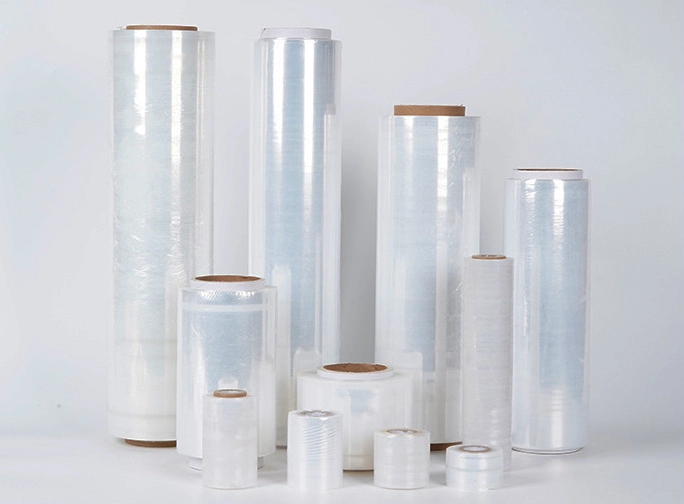
Biodegradable Glad Wrap vs. Plastic Film: What Is the Difference?
The two wraps are thrown away in different ways and are made of different things. It's easier to compare things after knowing that split.
What Conventional Plastic Film Is Made Of?
Most food cling film in the US is made from PVC or polyethylene, which is usually LDPE. There are FDA rules, such as 21 CFR 177.1520, that cover polyethylene olefin polymers that touch food. The film is cheap, doesn't stick or stretch, and doesn't get wet easily, so people buy it. It's been made on a large scale for decades, so it's easy to match the thickness, roll width, and cutter-box formats. What I like most about it is how familiar it feels. It's already been used by people who work in kitchens and asked for by people who work in procurement.
What Makes a Wrap Biodegradable or Compostable?
For other kinds of wraps, PLA, PBAT blends, cellulose, or starch-based polymers are often used. A polyester called PBAT is often mixed with PLA to make it stretch better. PLA is made from sugars found in plants. It's not a given that a plant-based biodegradable glad wrap will break down. Such as, in the US, ASTM D6400 or EN 13432 are used to check if something can be broken down in soil. A certification is worth a lot more for biodegradable glad wrap than a green leaf on the box because it shows that the product is safe for the environment, breaks down naturally, and doesn't stick together.
Industrial Compost, Home Compost, and Merely Biodegradable
There are different choices about how to get rid of these three terms. In a business setting, the temperature and humidity must be kept in check for industrial compostable film to work. Typical test temperatures are around 58°C. For home use, compostable items need to break down at lower temperatures that are easier to keep track of. Not many wraps say that they do. The word "biodegradable" doesn't mean a certain time or set of conditions, and the FTC Green Guides tell marketers not to make broad claims about the environment. I ask each supplier to give me the exact make-up, coatings, additives, and scope of the certificate before I compare prices.
Performance Comparison: How Do the Two Wraps Work in Daily Food Use?
What to buy is often based on how well it works. This wrap looks like it will last, but it tears at the slicer. It takes time and film to fix.
Cling, Stretch, and Puncture Resistance
Sometimes polyethylene film is stronger and lasts longer. That helps me wrap things like meat with bones, trays with sharp edges, and bowls with odd shapes. You can make biodegradable cling film that sticks well to glass, ceramic, and stainless steel by mixing PLA and PBAT. But the outcome relies on the recipe and the level of thickness. Some are stiffer and don't tear as well. Because of this, I believe you should test how fast it dispenses, how well it tears, and how well it seals on real containers. When the wrap tears at the cutter bar, you waste time and film.
Moisture, Oxygen, and Grease Barriers
The food determines what kind of barrier is needed. For the most part, fresh food needs to be able to breathe. Mold grows in places where water is trapped. Most of the time, meat, seafood, and ready-to-eat meals need a tighter barrier against moisture. Polyester well stops water vapor from getting through, but oxygen has no trouble getting through. Since compostable films aren't all the same, you shouldn't guess about their oxygen and water vapor transmission rates. Instead, you should ask each supplier for information. For baked goods and sandwiches, being able to resist grease is important. Coatings can change both barrier values and the ability to break down in compost.
Refrigerator, Freezer, and Microwave Use
It's not always true that something will work at a certain temperature just because it's approved for food contact. That's why I separate these two tests. A lot of PE and PVC wraps come with microwave safety instructions on the box, and polyethylene film freezes and cools well. Near 60°C, PLA turns into glass, so a biodegradable glad wrap made mostly of PLA may soften more quickly when heated. If you store blends with PBAT somewhere cold, they stay more flexible. But the technical data sheet from the supplier should be proof for biodegradable glad wrap. Check the temperatures of the foods you wrap every day to make sure they are safe to use before you put them in the fridge or microwave.
Is Biodegradable Glad Wrap Safe for Food Contact?
How safe something is depends on how it's finished. The wrap might sound natural, but that doesn't mean it's safe.
US Food-Contact Compliance
The Federal Food, Drug, and Cosmetic Act says that the FDA is in charge of items that come into contact with food in the United States. If there are rules or notices for a resin, additive, or coating, it has to follow them. A bio-based label doesn't make that easier. You should also check the EU and UK rules if you sell in more than one country. In some places, a wrap might not have the right paperwork to be used in other places. I always ask the supplier to spell out the rule or notice that each part of the film needs to follow.
Documents to Request Before Ordering
Migration test reports, a technical data sheet, analysis certificates, and batch quality records are just a few of the things that a good supplier should give you. These tests are most important for foods that are fatty, acidic, frozen, or heated, since more things can move into them. The roll core, glues, colorants, and inks are all included, so learn about them. If a factory has ISO, CE, or FDA paperwork, that means they have a controlled system in place. But each one has its own rules that you should carefully read.
Consistency Across Batches
The operations manager is the first person to notice when there are quality issues. Crews that pack things take longer to work with rolls that aren't the same length or thickness or that don't stick together well. I think you should set limits for the roll length, thickness, width, cling, and tensile strength, and then compare new lots to those limits. You can link a complaint to a date of production if you can keep track of a batch. Question the factory about whether they check the film as it's being made and before it's sent out. Also, save some from each delivery so that you can compare them later.
End-of-Life: Can Biodegradable Glad Wrap Go in the Compost Bin?
The kind of good it does for the environment depends on where it is thrown away after being used. It's just as important how the film is thrown away as the film itself.
What Controls Degradation Speed?
The temperature, moisture, oxygen, microbes, and thickness of the film all play a role in how the polymer breaks down. A thin biodegradable glad wrap that can be broken down in an industrial compost facility can do so in a few weeks if the hot room is well run. That said, the same biodegradable glad wrap might last a lot longer in a cool lawn pile. EN 13432 says that after 12 weeks, no more than 10% of the material should still be on a 2 mm sieve. Within six months, 90% of it should break down on its own. The ASTM D6400 goals are the same. It has a very different effect when those conditions aren't met.
Industrial Facilities vs. Home Bins
Most of the time, certified wraps can only be composted in a business setting, not in your own backyard. A lot of places in the US don't collect food scraps, and some people who compost won't even touch plastics that can be broken down. Call your nearby hauler or processor before you pick out a product. Often, caterers and campus kitchens have deals to pick up organic waste, which means that they can send food scraps and dirty wrap together. The best thing about compostable film is how easy it is to use.
What Happens in Landfill or Recycling Streams
Bins that break down compostable film don't work as well when you throw them away with other trash. It can mix with recycled plastic film, which makes it less useful. It's not all good film, though. The EPA says that in 2018, 8.7 percent of the plastics made in the US were recycled. Most of the time, dirty food film is not recycled at the curb. Making it clear for your staff how to throw away boxes and sales materials will help them sort each wrap the right way.
Which Is Better for Food Businesses: Biodegradable Glad Wrap or Plastic Film?
In every case, neither option is the best. The best choice for you will depend on your food, your tools, and how trash is taken care of where you live.
Where Plastic Film Still Wins
Regular film is still the best choice when you need the most stretch, the ability to resist punctures, the ability to work in cold chains, and a steady supply. Liu Guanzhuang Town is in Shandong Province, close to Qingdao Port. This is where Shandong Honghe Plastics Co.,Ltd. has been making PE and PVC cling film, disposable TPE, CPE, and PE gloves, and stretch film since it opened in 2017. Our goods are approved by ISO, CE, and FDA, so they meet international standards. BSCI and WCA have also given the company their seal of approval. People who can't risk running out of goods can get help with logistics from us because we keep a lot of stock on hand. Most of the time, plastic film costs less per roll than films that can be composted.
Where Biodegradable Wrap Fits Best
It can be used by environmentally friendly brands, caterers that pick up organic waste, and places where food scraps and dirty wrap already go to the same bin. It can also help stores deal with customers who want to know more about single-use plastic. When I think about these pros, I don't just look at the unit price. I also look at how much food is wasted, how much it costs to get rid of, and what customers want. If the wrap tears a lot, food will go bad, which is bad for the environment. A phased trial is a good idea. Change one kitchen line or type of product at a time, and keep track of how well it works and how much it costs. Go bigger only when things keep going well.
Buying in Bulk: Specs, Samples, and Common Mistakes
Before you ask for quotes, you should know what kind of food you want, the roll's width and length, its thickness, the amount you need each month, the format of the cutter box, the temperature range, the market you want to reach, and the certificates you need. Finally, look at how much the factory can make, how long it takes to make it, how long it lasts, how easy it is to load containers, and how much support they offer after the sale. It's easy for me to handle OEM or ODM projects. I just make sure the specs are clear, okay the packaging, look over the samples, okay pre-production, and then I start mass production with batch records. Many people make the mistake of believing that biodegradable means they can compost it at home, buying something based only on claims that it is environmentally friendly, not checking to see if the item can be composted in their area, and not testing it with real food. One test that was done in real storage conditions didn't find any of these four things.
Conclusion
Plastic film and biodegradable Glad wrap both have their uses. You can find polyethylene film more easily, it doesn't tear or stretch as much, and it usually costs less. When there is a business that does composting, certified compostable wrap can be used in a different way. You can't just look at how much plant matter something has and say that it can be composted. You also need to look at food-contact documentation, migration data, and batch consistency. It is just as important to test on real food as it is to test in the lab because the results for barrier and temperature are different for each formula. The way trash is thrown away also has an impact on the environment. For example, compostable film that is thrown away or recycled stops working. Based on performance testing, total cost, confirmed certification, and easy access to local disposal, the best choice is the one that costs the least. A phased trial lowers the danger.
FAQ
Is biodegradable glad wrap the same as compostable wrap?
That's not right. "Biodegradable" doesn't mean a certain amount of time or conditions. The item was "compostable" if it met a standard like ASTM D6400 or EN 13432. Get the paperwork.
Can I put it in a home compost bin?
It can be composted at home as long as the certificate says it can. Check with the processor in your area to make sure that most certified wraps need to be broken down in a business setting.
Can it go in the freezer or microwave?
Not the same formulas. Read the supplier's temperature instructions and then test the wrap with your own food before giving it the all-clear.
Which documents should I request?
You should get a compliance declaration, migration test reports, a technical data sheet, analysis certificates, and batch quality records.
Can I test a sample first?
Yes. You can try them out before you order to see how well they stick, tear, and store.
Request Biodegradable Glad Wrap Samples and Quotes from Shandong Honghe Plastics Co.,Ltd.
To get in touch with Shandong Honghe Plastics Co.,Ltd., email tony@sdhhsl.com with your application, roll size, volume, and target market. Both our PE and PVC cling film range and your needs for biodegradable glad wrap will be looked at by our packaging team. We offer free samples, OEM and ODM services, a large inventory, fast shipping from a location near Qingdao Port, fair prices, and support after the sale 24 hours a day, seven days a week.
References
1. ASTM D6400 Standard Specification for Labeling of Plastics Designed to be Aerobically Composted in Municipal or Industrial Facilities, ASTM International, 2021
2. EN 13432 Packaging: Requirements for Packaging Recoverable Through Composting and Biodegradation, European Committee for Standardization, 2000
3. Guides for the Use of Environmental Marketing Claims (Green Guides), Federal Trade Commission, 2012
4. Advancing Sustainable Materials Management: 2018 Fact Sheet, U.S. Environmental Protection Agency, 2020
5. Title 21 Code of Federal Regulations, Section 177.1520 Olefin Polymers, U.S. Food and Drug Administration, 2024
6. An Overview of Polylactides as Packaging Materials, Macromolecular Bioscience, 2004