


_1750233969309.png)
How PVC Cling Film Improves Food Shelf Life
Food waste remains a critical concern across the food industry, costing businesses billions annually while compromising product quality and consumer safety. PVC Cling Film Roll has emerged as a powerful solution to extend the freshness of perishable goods through its unique oxygen-regulating and moisture-retention properties. By creating a semi-permeable barrier around food, this specialized film allows red meat to maintain its vibrant color while preventing bacterial growth and dehydration. We've witnessed purchasing managers in supermarket chains and food processing enterprises achieve significant reductions in spoilage rates simply by selecting the right film specification matched to their product line.
Understanding PVC Cling Film and Its Role in Food Preservation
What Makes PVC Cling Film Different from Standard Wrapping?
Polyvinyl chloride resin and food-grade plasticizers like DEHA (Di-2-ethylhexyl adipate) or DOA (Dioctyl adipate) are mixed to make PVC Cling Film Roll. These plasticizers change the naturally hard PVC base into a soft, flexible material that sticks very well. This mix is very different from polyethylene films, which are flexible because they use low-density structures. The plasticizer percentage is usually between 20 and 35 percent by weight. This lets the film stick firmly to ceramic, stainless steel, glass, and even itself, without needing extra adhesives that could get into food.
Critical Technical Properties That Extend Freshness
The way well-made PVC Cling Film Roll works has a direct effect on how well food stays fresh. A film layer of 8 to 15 microns is the best compromise between barrier protection and being able to mold to the shape of uneven foods. This material is unique because it has a high Oxygen Transmission Rate (OTR) of 15,000 to 20,000 cc/m²/24h. This rate keeps fresh red meat from burning too quickly by letting it be exposed to oxygen in a controlled way. This lets the bright red oxymyoglobin bloom that people associate with fresh beef and lamb stay, and it also extends the shelf life of displays by two to three days compared to alternatives with low permeability. When the film is broken, it spreads more than 200%, which means it can be used to wrap bone-in cuts or containers with sharp edges.
How Controlled Permeability Prevents Spoilage?
The system for preservation works by controlling the rate of moisture vapor transfer and exchanging certain gases. PVC Cling Film Roll makes an environment around food that keeps the food's natural wetness but lets carbon dioxide and oxygen in and out at controlled rates. This balance stops the growth of anaerobic bacteria that make protein products smell bad and form slime. Temperature resistance from -30°C in freezer storage to 60°C in room temperature show settings guarantees consistent performance throughout the cold chain. The film's visual clarity (haze values below 2%) lets you check the quality without taking it out of the package. This lowers the risk of contamination during receiving and inventory checks.
Regulatory Compliance and Safety Standards
In the US, FDA CFR 21 175.300 says that food-grade PVC Cling Film Roll must pass strict transit tests. In Europe, EU Regulation No 10/2011 says the same thing. Overall Migration Limits (OML) and Specific Migration Limits (SML) are set by these rules for plasticizers that move into food simulants that look like different types of food. Manufacturers with a good reputation offer migration test certificates for boozy foods, fatty foods, wet foods, and acidic foods to show that their products are safe for a wide range of uses. Regular third-party testing and ISO approval for manufacturing processes guarantee consistency from batch to batch, which is something that procurement managers look for in companies they want to work with for a long time.
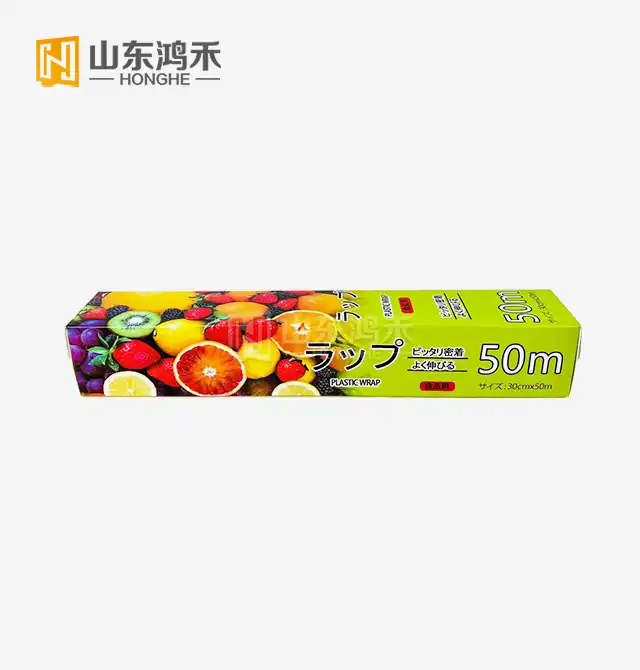
Comparing PVC Cling Film with Other Food Wrapping Solutions
Material Composition and Performance Characteristics
Polyethylene (PE) films are most commonly used for home cling wrap because they are cheaper and can be recycled. However, they don't have the better cling and stretch performance that business food operations need. PE films usually have lower tensile strength and less visual clarity than PVC Cling Film Roll, which means they are not as good for high-end store displays. PET (polyethylene terephthalate) films are very good at keeping out water and not puncturing, but they aren't very good at shaping to irregular forms and don't stick to themselves, which is necessary for hand wrapping. Polyvinylidene chloride tapes, sold under brand names like Saran, are great at blocking oxygen, but they are much more expensive, which makes buying in bulk less cost-effective.
Environmental Considerations and Recycling Challenges
When people talk about sustainability and PVC Cling Film Roll packaging, they admit that the current recycling system has its limits, but they also talk about the material economy benefits. When it comes to barrier performance, PVC Cling Film Roll needs less material thickness than PE options. This means that less plastic is used per wrapped item. New chemical recycling technologies are starting to solve problems related to end-of-life by breaking down PVC Cling Film Roll into its monomers so that they can be used again. Manufacturers who are on the cutting edge now offer bio-based plasticizers that keep performance standards while reducing their reliance on fossil fuels. When comparing materials, procurement teams are asking for more life-cycle assessment data, which looks at the total environmental effect from getting the raw materials to throwing them away, instead of just recycling measures.
Cost-Benefit Analysis for Bulk Purchasing
When looking at the total cost of ownership, PVC Cling Film Roll is often a better deal than PE options, even though they cost more per kilogram. Because it sticks so well, there is less film waste during application because workers only have to try a few times to get a good seal. Longer shelf life directly leads to less shrinkage from spoilage, which makes the cash margins on high-value protein goods better. PVC Cling Film Roll's constant unwinding and static control qualities help automated packing lines because they cut down on machine downtime and maintenance costs caused by film breaks or feed jams. When making buying business cases, purchasing managers should figure out the cost per wrapped item instead of the cost per roll. They should also take into account material costs as well as gains in work efficiency and yield.
P
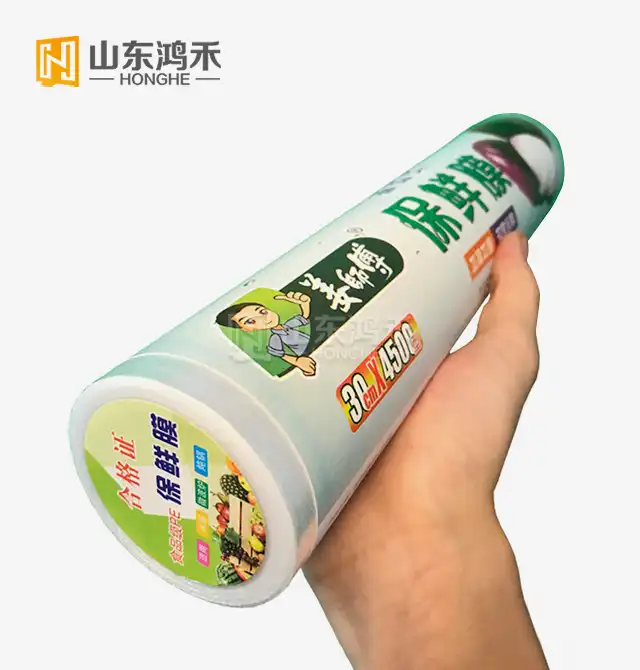
ractical Applications and Best Practices for Using PVC Cling Film in Food Packaging
Fresh Meat and Poultry Processing Operations
PVC Cling Film Roll is used in supermarket meat areas and central kitchens because it stops metmyoglobin formation, which is the chemical process that turns fresh red meat brown when air access is limited. With controlled oxygen penetration, colors stay appealing in cold display cases for 3–5 days, which is a lot longer than the 1–2 day window that barrier films can provide. Sticky film keeps drips and cross-contamination from happening when wrapping bone-in cuts like chicken legs or pork chops because it can't be punctured. To use the film correctly, you should stretch it 30–40% while wrapping it to make the cling mechanism work, and then press strongly around the edges of the product to get rid of any air pockets where germs could grow.
Commercial Catering and Food Service Applications
The ability of PVC Cling Film Roll to stick to stainless steel Gastronorm pans and ceramic serving bowls is important for high-volume kitchens in hotels, restaurants, and large food businesses. The material sticks strongly to these surfaces while they are being stored in the fridge. This keeps smells from spreading between meals that have already been made and keeps food from drying out in fan-powered cooling systems. Items that have been wrapped can go straight from walk-in coolers to prep areas where the temperature is normal without condensation building between the film and the food. Many food businesses keep a variety of roll sizes on hand, from 300 mm for small containers to 600 mm for full-size sheet pans, so they can get the most out of their materials and work faster during busy prep times.
Automated Fruit and Vegetable Packaging Lines
Omori and Ulma make modern equipment for packing fruits and vegetables. This equipment needs PVC Cling Film Roll that is made for high-speed automatic wrapping and has the right winding tension and static discharge qualities. Specialized PVC Cling Film Roll versions contain anti-fog additives that stop condensation drops from forming when wrapped items go from room temperature to 2-4°C storage in the fridge. This maintenance guarantees that barcodes can be read correctly and that customers can see all of the products on show in stores. When moving between goods or package sizes, film rolls for automated systems usually have controlled diameter tolerances and core specs that match specific equipment types. This makes changing easier and wastes less time and money at starting.
Optimal Storage and Handling Procedures
When PVC Cling Film Roll is stored in a building and is exposed to high temperatures or direct sunlight, its performance decreases. This is because the plasticizer moves to the roll surfaces, making it harder to unroll. The best conditions for keeping are an outdoor temperature of 15 to 25°C and a relative humidity below 70%. This will keep the cling properties and keep the film layers from getting blocked. Inventory should be rotated every twelve months to ensure uniform performance. However, rolls that are kept properly should usually stay in line with specifications for 18 to 24 months after they were made. Before using, rolls that have been kept in the fridge should be brought to room temperature and left there for two to four hours. This will stop condensation from forming, which can affect how well the rolls stick and how smoothly they are applied.
Procurement Guide for PVC Cling Film Rolls: What B2B Buyers Need to Know?
Evaluating Supplier Capabilities and Certifications
When purchasing managers are looking for trusted PVC Cling Film Roll suppliers, they should focus on companies that can control the whole production process, from getting raw materials to testing finished goods. Portfolios of certifications that show compliance with ISO 9001 quality management systems, ISO 22000 food safety management, and HACCP guidelines show that process controls are stable and provide consistent results from batch to batch. Suppliers should easily give out Certificates of Analysis for every production lot. These papers should include migration test results, physical property data, and rates of visual defects. Container shipments are easier to handle when factories are close to major ports. This cuts down on wait times and freight costs for foreign buyers who use just-in-time inventory systems.
Key Technical Specifications to Request
In addition to basic measurements like thickness and width, PVC Cling Film Roll purchase specs should spell out performance standards that match the needs of operations. Tensile strength readings in both the machine direction (MD) and the transverse direction (TD) show that the film will last when it is being wrapped quickly or stretched by hand. Unwinding forces between 100 and 300 grams are needed for smooth pouring, without too much tension that causes the film to stretch before it is used or not enough resistance that causes the film to pile up. Puncture resistance testing with standard probes measures how well the film can handle food tips that are sharp without breaking. Buyers should ask for formulations that have been tested by a sensory group to be smell-free. This is especially important for fragile items like seafood or cooked foods where smells could spread.
Negotiating Volume Pricing and Contract Terms
When yearly commitments hit 20 tonnes or more, or when shipments include more than one container, bulk PVC Cling Film Roll purchasing deals usually offer 10–20% lower prices than spot purchases. With agreed-upon number limits, price breaks are given at higher volumes to reward volume growth as operations grow. Smart tactics for buying things get better payment terms, like 30–60 day net plans instead of prepayment requirements, which makes managing cash flow easier. Including sample approval clauses saves buyers by letting pre-production testing happen before full order manufacturing. This way, any mismatches in specifications can be found before a large capital investment is made. Setting up vendor-managed inventory arrangements with stocking deals near end-user facilities lowers the amount of working capital needed and makes sure that businesses with seasonal demand changes can keep getting the goods they need.
Building Long-Term Supplier Partnerships
When application problems arise or changes to specifications need to be made, good PVC Cling Film Roll procurement relationships go beyond just buying things. They also involve working together to find solutions. Suppliers who offer expert support help operations choose the best film thickness for each product, which lowers material costs while still meeting security standards. Being able to respond quickly to rush orders or sudden rises in demand shows commitment to the partnership during important business times. Vendors that are actively working on sustainable alternatives, such as bio-based plasticizers or features that make it easier to recycle, help buying teams meet their companies' sustainability goals while keeping operations running smoothly. Regular business review meetings where quality trends, price changes, and changes in the market are talked about help buyer and seller organizations match their strategies.
Case Studies: Success Stories of Food Shelf Life Improvement Using PVC Cling Film
European Fresh Produce Distributor Reduces Spoilage
A fresh produce distributor in Belgium that works with grocery chains in Western Europe had trouble keeping leafy greens and soft fruits from going bad during multi-day delivery rounds. After moving from regular PE wrap to PVC Cling Film Roll with better rates of moisture vapor transmission, the business saw a 3–5% drop in spoilage over six months of tracking. Controlled permeability kept enough moisture in to keep plants from dying and stopped moisture buildup that would have sped up bacterial soft rot. Calculations of the return on investment showed that the higher cost of the luxury film was paid for within four months by lower write-offs and higher customer happiness scores. The distributor now only sells temperature-sensitive goods that come in PVC Cling Film Roll and has arranged bulk price that saves 15% on costs compared to the first few purchases.
Central Kitchen Meat Processing Optimization
A regional catering company with multiple commissary kitchens that serve hospitals and business dining rooms had trouble keeping the quality of the protein pieces they wrapped in bulk for delivery to satellite locations. Because the quality of the seals wasn't always the same, chicken products lost more than 3% of their moisture, and beef products turned a different color after 48 hours in the fridge. Working with their packaging film provider, the company made sure that all of their sites used the same PVC Cling Film Roll specs and created training guidelines for users that focused on the right way to stretch films and seal the edges. During the introduction quarter, waste from protein parts that could not be used dropped from 6% to less than 2% across the whole system. The expert team from the provider trained people on-site how to use the equipment and suggested changes that increased wrapping speed by 25%. This saved time and improved quality at the same time.
Key Takeaways from Implementation Experience
These cases from real life show that adopting PVC Cling Film Roll successfully takes more than just buying the right materials. Operations get the best results when they match the film specs to the needs of a particular product instead of using one answer for all types of food. Spending money on training to make sure that the application method is always the same pays off in the form of less material waste and better security. Setting up feedback loops between buying teams, operations staff, and sellers lets businesses keep getting better, even as product mixes change or seasonal items bring new problems. When switching film manufacturers or specs, businesses should plan 90-day evaluation periods. This gives them enough time to make sure the new film works well in real-world operations before going live on a large scale.
Conclusion
Because it controls oxygen permeability, has great cling qualities, and is clear, PVC Cling Film Roll can extend the shelf life of food and keep it from going bad in a wide range of food business uses. The technical properties of the material solve certain problems with preserving that buying managers in meat processing, catering, and retail packaging deal with every day. Performance needs must be weighed against cost and environmental concerns when making buying choices. However, PVC Cling Film Roll solutions often have a lower total cost of ownership when waste is reduced and product quality is raised. For execution to go well, film specs must be matched to application needs, good supplier relationships must be built, and money must be spent on training in proper material handling to get the most out of the material.
FAQ
What temperature ranges can PVC cling film withstand without performance degradation?
Food-grade PVC Cling Film Roll of good quality keep their cling, stretch, and barrier properties even when stored at temperatures as low as -30°C and when displayed at room temperature, 60°C. Because of this, wrapped items can go from being kept in the fridge to being prepared in rooms that are room temperature without any problems with seals breaking or condensation. When films are heated above 70°C, the plasticizer may move around and the films may lose some of their mechanical strength.
How do I verify that PVC film meets food safety standards for my market?
Ask your supplier for Certificate of Analysis records and migration testing results that show they follow FDA CFR 21 175.300 for markets in the US or EU Regulation No 10/2011 for markets in Europe. The test results should include both the overall and specific migration limits for plasticizers into different food simulants that represent different types of food. Certifications like ISO 22000 and HACCP give you even more confidence in the quality control methods used in manufacturing.
What film thickness should I specify for different food packaging applications?
When wrapping fresh meat and fowl, 10–12 micron PVC Cling Film Roll is usually used because it is both resistant to punctures and flexible enough to fit around odd forms. For reliable equipment performance, automated packing machinery often needs 8–10 micron gauges with exact thickness uniformity. When baked goods or fruits and vegetables are wrapped by hand, 12 to 15 micron films can be used because they are more durable and can handle being handled many times. Talk to your sources to make sure that the size you choose fits the features of your product and the way you plan to use it.
Partner with a Trusted PVC Cling Film Roll Supplier
Shijiazhuang Honghe Plastics Co., Ltd. is an international company that has been providing high-quality PVC Cling Film Roll to food preparation businesses, catering businesses, and store groups since 2017. Our factory in Qingdao uses high-tech production lines to make sure the quality is always the same. The factory is certified by ISO, CE, and FDA, and it also follows BSCI and WCA guidelines to make sure it uses fair manufacturing practices. We understand that purchasing managers need trusted supply partners who can meet their unique needs for thickness and width while also offering competitive bulk prices. Our quality control procedures make sure that every output batch meets the standards for transfer testing and physical property requirements that your operations need.
Supply chain managers and procurement workers can ask for free samples that show how our PVC Cling Film Roll adheres better, is more clear, and works better with your unique products. Our expert team is ready to talk to you about your packing problems and give you the best specs for either manual or automated wrapping. We don't have supply problems that affect production plans because we keep a lot of inventory on hand to support fast shipping times and offer 24-hour after-sales service. Get in touch with tony@sdhhsl.com right away to talk about how our PVC Cling Film Roll maker services can help you cut down on waste and boost business efficiency.
References
1. Robertson, G.L. (2016). Food Packaging: Principles and Practice (3rd Edition). CRC Press, Boca Raton, FL.
2. Han, J.H. (2014). Innovations in Food Packaging (2nd Edition). Academic Press, London, United Kingdom.
3. Coles, R., McDowell, D., & Kirwan, M.J. (2013). Food Packaging Technology. Blackwell Publishing, Oxford, United Kingdom.
4. Yam, K.L. (2010). The Wiley Encyclopedia of Packaging Technology (3rd Edition). John Wiley & Sons, Hoboken, NJ.
5. Marsh, K. & Bugusu, B. (2007). Food Packaging—Roles, Materials, and Environmental Issues. Journal of Food Science, Vol. 72, Issue 3, pp. 39-55.
6. Brody, A.L., Strupinsky, E.R., & Kline, L.R. (2001). Active Packaging for Food Applications. CRC Press, Boca Raton, FL.