


_1750233969309.png)
How to Use Cling Wrap in the Microwave Safely
Using microwave-safe cling wrap correctly protects food quality while preventing safety risks in commercial kitchens. To use Cling Wrap For Microwave safely, select film rated for temperatures exceeding 110°C, leave a 2-3 cm gap between food and wrap, puncture vents to release steam, and avoid direct contact with high-fat or high-sugar foods that exceed boiling temperatures. Always verify compliance with FDA 21 CFR 177.1520 or EU Regulation No 10/2011 standards to prevent chemical migration during reheating operations.
Introduction: Why Microwave Safety Matters in Commercial Food Operations?
Reheating food in the microwave is now an important part of corporate kitchens, catering businesses, and lines that make ready-made meals. Microwaves are used to make, store, and cook thousands of meals every day. Choosing the right food-contact materials is an important part of the buying process. It's not just bad food that happens when cling wrap melts or releases dangerous chemicals when heated. It also threatens regulatory compliance, brand image, and customer health.
It's getting harder and harder for procurement managers to find a good mix between cutting costs and meeting strict safety standards. If you choose the wrong film, you could end up with pollution, broken equipment, and costly product recalls. At the same time, food service operators want reliable goods that keep the quality of meals during quick heating cycles and keep people from getting sick in busy business settings.
This guide solves these problems by giving you useful information on how to choose Cling Wrap For Microwave, how to use it correctly, and how to buy in bulk. If you are in charge of supply chains for hospital food services, catering businesses, or companies that make ready-meals, knowing the technical specs and safety rules of microwave-safe films will help your business run more smoothly and keep your profits high.
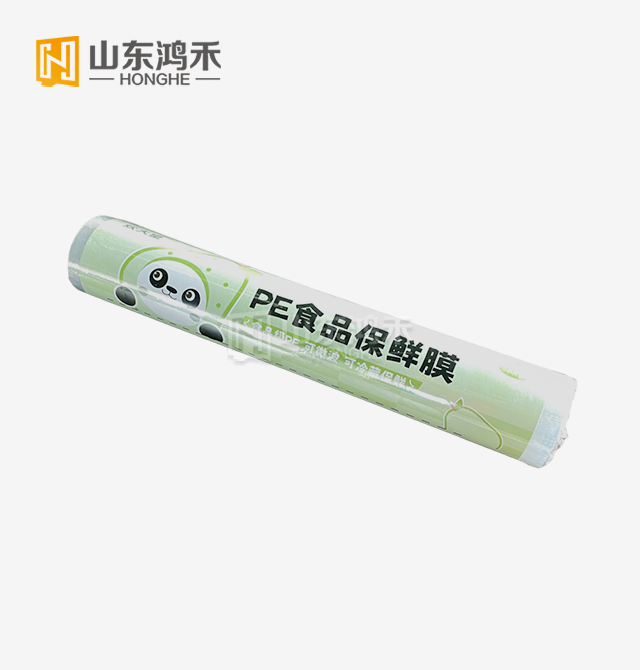
Understanding the Safety of Cling Wrap in the Microwave
Regulatory Standards Governing Food Contact Materials
Professional-grade microwave films have to meet strict safety standards set by government regulators. Title 21 CFR 177.1520 from the FDA controls polyethylene films used in food-contact situations. It lists the acceptable ingredients and movement limits. Similarly, EU Regulation No 10/2011 sets total movement limits below 10mg/dm² under simulated use conditions. This is done to make sure that chemical components don't move into food when it's heated.
These rules are in place because using the wrong materials can cause Non-Intentionally Added Substances (NIAS) to get into food, especially when they are heated above their recommended levels. Teams in charge of buying things should make sure that sellers show proof that they follow these guidelines. This should include migration testing results using food-like substances like ethanol, acetic acid, and olive oil.
Why Some Cling Wraps Melt During Microwave Use?
The heat performance of a material depends on what it is made of. Standard PVC cling films usually have plasticizers in them, like DEHP or DEHA, that make them more flexible but less resistant to heat. Around 80°C is the point at which they start to break down. When microwaves create dielectric heating, fatty foods can get hotter than 120°C, which can melt, shrink, or let out chemicals that aren't needed.
Alternatives that work well use Low-Density Polyethylene (LDPE), Linear Low-Density Polyethylene (LLDPE), or Polyvinylidene Chloride (PVDC) mixes. Most LDPE-based wraps can handle temperatures up to 110°C, which means they can be used to reheat veggies and lean meats. PVDC films can better redirect heat at temperatures above 140°C, which means they can be used for longer heating processes and foods with more fat. Polymethylpentene (PMP) is the best because it can handle temperatures close to 180°C, making it ideal for hard industry uses.
Critical Safety Parameters for Commercial Operations
To use Cling Wrap For Microwave correctly, you need to pay attention to a number of technical issues. The Water Vapor Transmission Rate (WVTR) changes how much moisture is kept in food while it is being heated again. If the WVTR is too low, steam can't leave, and if it's too high, food becomes dry. Oxygen Transmission Rate (OTR) affects oxidation, which changes the stability of color and taste during freezing and warmth.
The tensile strength and elongation at break of a film show if it can stretch over oddly shaped containers without breaking when steam pressure builds up. ASTM D1922 says that professional films should have high puncture resistance so that they can handle being touched by bone-in proteins or sharp container edges. Clear films can be told apart from cloudy or yellowed lower-grade recovered polyethylenes during a quality check because they are very clear.
Choosing the Right Cling Wrap for Microwave Use
Comparing Microwave-Safe Films with Standard Alternatives
Microwave-safe films are different from regular films because of the polymers used and the additives that are added. Plasticizers are what give standard PVC wraps their stickiness, but they also make the material less stable at high temperatures and raise worries about chemicals that can mess with hormones. Microwave-safe films stick together by controlling the surface tension and changing the densities of the polyethylene. This gets rid of the need for solvent-based bonds that break down in heat.
As more people learn about how hormonal disruption can happen, BPA-free products have become the norm. It should be made clear in the procurement requirements that films must not contain any bisphenol A, phthalates, or other substances of very high concern (SVHC) as described by REACH rules. When selling to big buyers like school districts or healthcare sites that have stricter safety rules, this paperwork becomes very important.
Performance and cost-effectiveness are directly affected by the width of the film. For commercial uses, sizes are usually set between 8 and 15 microns, which strikes a balance between enough power and low cost. Thicker films are better at resisting punctures and heat, but they cost more per unit. Choosing the right width should be based on the unique needs of the operation.
Evaluating Supplier Reliability and Product Specifications
Partnering with certified makers guarantees stable supply and regular product quality. Look for providers that have both ISO 9001 quality control certification and food safety certifications like ISO 22000 or FSSC 22000. These models show organized ways to stop pollution and keep processes running smoothly.
Ask for thorough scientific data sheets that list the temperature at which the material deflects heat, the results of migration tests, and its mechanical qualities. Manufacturers with a good reputation give target markets a lot of information, such as compliance statements. A lot of procurement managers now want to try samples in-house before placing large orders. This way, they can be sure that the product will work in real-world situations.
When a business operates across the country or when demand goes up during certain times of the year, supply chain issues become very important. Check to see if the seller can keep enough inventory on hand during busy times, what the normal lead time is for special orders, and how well they can handle logistics. Shipping costs and delivery dependability are affected by how close a business is to important ports or distribution hubs. These are factors that have a big effect on the total cost of ownership, which goes beyond the price per unit.
Emerging Trends: Sustainable and Eco-Friendly Options
As companies react to customer demands and sustainability promises, environmental awareness is becoming more and more important in B2B buying decisions. Biodegradable films made from green materials like polylactic acid (PLA) can be rolled up, but they don't have the heat protection needed for Cling Wrap For Microwave use yet, which makes them less useful in food service situations.
More useful options include LDPE films that can be recycled and are made to be added to current polyethylene recycling lines. During use, these films work the same way as regular goods, but when they reach the end of their useful life, they have a profile that makes them appealing to groups that want to reduce trash. Some makers now make films with recycled material from used products. This cuts down on the use of new plastic without affecting food safety as long as it is properly certified.
When it comes to certain uses, reusable silicone lids and beeswax wraps work well together. This is especially true in healthcare or educational settings that try to reduce waste. These options use less disposable film, but they need more money to be spent on washing equipment and methods for keeping track of supplies. The economics depend on how much is used, how much it costs to hire people, and how important sustainability is to the company.
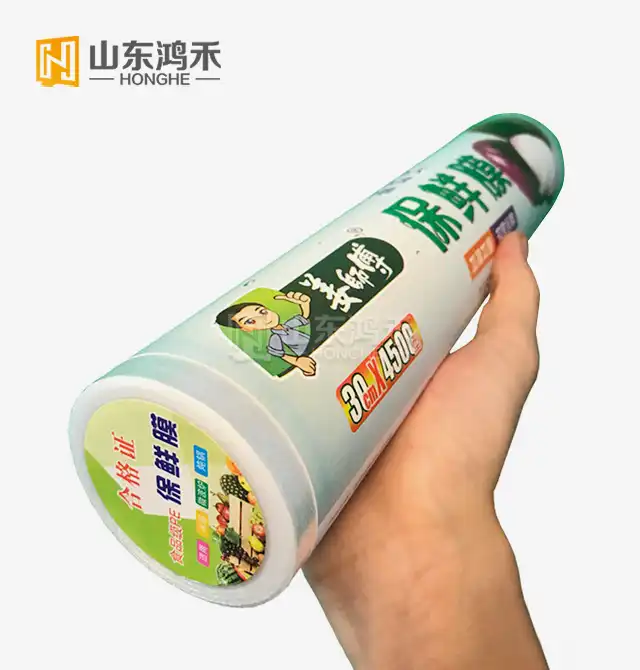
How to Use Cling Wrap Correctly in Microwave Cooking Operations?
Step-by-Step Protocol for Safe Food Coverage
The first step in proper wrapping is choosing the right-sized film to cut down on waste and make sure the whole package is covered. Place the container on a stable surface and unroll enough film to go out 5 to 8 cm past the edges of the container. Place the film over the food in a loose way, making sure to leave a 2-3 cm area. This will keep the hot food from touching the film directly.
Seal the ends by pressing the film against the sides of the container, making sure that the contact is even all the way around. It's important that the film sticks well enough to catch steam but not so well that pressure can't escape. Fold back one corner or use a fork to make a few small holes in the top. This lets steam escape slowly, avoiding dangerous pressure buildup that can lead to burns when taking hot items out of the bag.
The safety and even cooking are affected by the size of the portion. For larger amounts, the cooking time may need to be longer than the Cling Wrap For Microwave's recommended temperature range. Split large pieces into several smaller containers to shorten the time they need to be heated and reduce the stress on the film caused by heat. This method also makes the warmth more even, which cuts down on cold spots that make food less safe by letting germs live.
Optimizing Steam Cooking and Moisture Retention
When you steam cook with microwave-safe film, you create a controlled humid climate that keeps the structure of the food and keeps the surface from drying out. When it comes to reheating braised meat, steamed veggies, and grain meals, this method works especially well because it keeps the wetness in the food. Food stays juicy because the film traps the steam that is made when food's natural moisture content is high.
When using this method with foods that have different amounts of fat or sugar, it is important to keep an eye on the temperature. Hot spots over 120°C can form in sauces and glazes that are high in fat and sugar, which could damage the film. For these uses, lower the microwave power to 70–80%. This will make the cooking last longer while keeping the temperature more even throughout the food mass.
Managing condensation keeps foods with crispy parts from getting soft. When warming breaded foods or foods with different textures on purpose, make the vent holes bigger or use a tent-like covering that lets more wetness escape. For some processes, it's better to leave part of one side exposed, giving up some moisture preservation in exchange for a better surface.
Avoiding Common Errors That Compromise Safety
The most common safety violation in business kitchens is film coming into direct touch with food. The science behind it needs to be emphasized in training—the melting points of food surfaces can be much higher than those of films, especially in high-fat recipes or long heating cycles. Visual inspection before service should become normal practice, and any parts that show signs of film distortion or melting should be thrown away.
Overheating happens when staff try to speed up reheating by using the highest power levels or cooking for longer than the recommended amount of time. Set up regular ways to heat food based on amount size and type, and use timers to keep operators from making mistakes. Microwave equipment should be calibrated on a regular basis to make sure that all of its parts produce the same amount of power. This keeps surprising hot spots from damaging the film.
There is a chance of contamination and uncertain temperature performance when you reuse single-use film. Film that has been heated once might have tiny tears, changed binding qualities, or a polymer structure that isn't strong enough to hold up when it is used again. Clear labels and training for staff stop people from doing risky cost-cutting moves that hurt food safety systems.
Procurement Insights: Buying Microwave-Safe Cling Wrap in Bulk
Strategic Sourcing for Industrial-Scale Operations
If you set up your bulk purchases correctly, they can save you a lot of money. Industrial buyers usually discuss prices based on yearly promises to buy a certain amount, which gets them 15–30% discounts compared to buying on the spot. The terms of the contract should include ways for prices to be changed based on indices of raw materials. This will protect both parties from the extreme price changes in resin that are common in polyethylene markets.
Different manufacturers have different minimum order amounts, which can be anywhere from a single box (about 500 to 800 rolls) to a full container load (20,000 or more rolls). The economics of transportation work better for bigger packages, but storing space and cash flow issues need to be weighed against savings per unit. A lot of wholesalers offer combined shipping programs that let smaller buyers get prices that are close to wholesale by scheduling deliveries together.
Payment terms have a big effect on how much working cash you need. Standard terms are net-30 to net-60 days, but buyers who buy a lot of goods may be able to negotiate longer terms or payment plans that work with their sales cycles. Some makers offer discounts for early payment, usually 2% for payment within 10 days. This lets buyers with a lot of cash save money on effective unit costs.
Evaluating Total Cost of Ownership
The price you pay for something is only one part of how much it really costs. When you take into account waste from tearing, wrong lengths, or operator mistake, the yield efficiency—the amount of useful film you get per roll—differ greatly between quality and economy goods. Higher-quality tapes that are more resistant to tears and stay the same thickness usually have a 10-15% better return, which makes up for their higher initial costs.
Film width and length configurations affect how much work gets done and how much is wasted. Standard store lengths of 12 inches might not work well for business uses that need standard container sizes. Custom width specs cut down on cutting waste and speed up the wrapping process. This is especially helpful in high-volume production settings where saving seconds per unit adds up to big time savings.
The cost of facilities and the length of time a product lasts are affected by how it is stored and handled. To keep film from aging too quickly and losing its stickiness, it should be kept between 15°C and 25°C and out of direct sunlight. Facilities with limited temperature control or long inventory cycles should choose goods that stay fresh longer, even if they cost more, so they don't have to pay to get rid of old stock.
Certification and Compliance Verification
Documentation requirements vary by customer segment and regulatory jurisdiction. Food service businesses that serve schools or hospitals are closely watched and must show a lot of paperwork to prove they are following the rules. This includes certificates of analysis, migration testing results, and allergen statements. Make sure that the buy specs are clear about what paperwork is needed and that sellers include up-to-date certifications with every shipment.
When working with new suppliers or putting goods into regulated settings, third-party testing gives you extra peace of mind. Independent labs can check that claims of heat resistance are true, that chemicals that aren't allowed aren't present, and that claims of compliance with certain regulatory frameworks are true. This verification process costs more, but it guards against risk from materials that don't follow the rules, which could lead to recalls or regulatory measures.
Traceability tools let people act quickly if quality problems happen. Lot codes should make it possible to track from the finished product to the sources of the raw materials, which will help with finding the root cause of problems when they happen. Advanced sellers offer traceability or digital documents platforms that are based on blockchain. These platforms make compliance checks easier and speed up the resolution of problems.
Case Studies and Practical Examples from Industrial Food Service
Hospital Food Service Transformation Through Material Upgrade
A 500-bed hospital system got a lot of complaints about warmed meals that were dry and films melting in patient services from time to time. The Cling Wrap For Microwave they were using before, a normal PVC product, wasn't heat-resistant enough for their cook-chill system, which needed to warm food from the fridge. They switched to PVDC-based microwave film that can withstand continuous use at 140°C after talking with their dealer.
The change only needed a little education for the staff, mostly on how to properly vent, but the effects were clear right away. Within three months, patients' satisfaction rates with the quality of the food went up by 18%, and during the review time, kitchen staff reported no melting events. Even though the cost per unit went up by about 25%, the decreased food waste from fewer rejected meals and the elimination of the need for labor to re-make melted pieces meant that the investment paid off within the fiscal year.
This case shows how the specifications of materials have a direct effect on working results that go beyond just cost metrics. The hospital's purchasing team now sets minimum heat resistance standards and makes migration testing paperwork a normal procedure. They use what they've learned to apply what they've learned to all of their food-contact materials across their system.
Catering Operation Achieves Consistency Through Standardized Protocols
A business catering company that served 15,000 meals a day in several places had trouble with reheating results that were not uniform from one spot to the next. An investigation showed that different places used different film types, wrapping methods, and microwave power settings, which led to inconsistent quality results that made customers unhappy and raised the cost of remakes.
The operations team came up with standard methods that list the film products that can be used, the serving sizes, and the heating conditions for popular menu items. They used visual training tools that showed the right way to use headspace and venting, and at each site, they held hands-on training classes. Kitchen audits for compliance tracking made sure that everyone in the company followed the same rules.
Within six months, customer comments about the quality of warming went down by 60%, and food costs went down by 4% because less food was wasted. The attempt to standardize showed how procedural controls can boost the benefits of choosing the right materials. This showed that product quality and usage practices are connected and need to be looked at together.
Food Manufacturer Addresses Migration Concerns
Customers of a ready-meal maker that sells to grocery stores asked about the possibility of chemicals moving from the packing materials. Even though their current film met basic food contact standards, consumers' increased concern about food safety led them to actively look for alternatives with better migration barriers and healthier composition profiles.
Together with material scientists and package engineers, they looked at a number of high-end films that focused on BPA-free formulas and lowered the total migration limits well below what the government considers acceptable. It was proven that the upgraded films had 40% lower migration values in rapid tests using fatty food simulants, even though they cost about 15% more to make.
The company used these changes in their marketing to show that they were committed to going above and beyond basic safety standards. Retail partners liked the goods, and some chains put them in prominent spots on their shelves. This case shows how proactive material changes can set you apart from the competition and help you place yourself as a premium brand, going beyond just following the rules.
Conclusion
Safe microwave use of Cling Wrap For Microwave in commercial operations depends on informed material selection, rigorous compliance verification, and consistent operational protocols. Procurement managers must balance cost efficiency against safety requirements, recognizing that premium materials often deliver superior total value through reduced waste, enhanced food quality, and minimized liability exposure. The technical details that control mechanical qualities, heat resistance, and migration limits have a direct effect on how things work, which in turn affects customer happiness and regulatory compliance. Companies that spend money on the right tools, thorough training for their employees, and standard operating procedures gain long-term economic advantages and protect their customers and brand image in markets that are becoming more safety-conscious.
FAQ
Can standard grocery store cling wrap be safely used in commercial microwave operations?
Standard consumer-grade films are made of a lot of different materials and can handle a lot of different temperatures. For example, many PVC-based goods contain plasticizers that can get into food when it's heated. Businesses should only use films that are clearly marked as microwave-safe and have been shown to comply with FDA or EU food contact rules. The small extra cost of certified microwave-safe goods protects you from risk and ensures consistent performance, which makes the investment worth it in professional foodservice settings.
What temperature thresholds should procurement specifications require for microwave-safe films?
The minimum heat resistance requirements depend on what the product is going to be used for. For general warming tasks, films that can be used continuously at 110°C are needed. However, films that can handle 140°C or higher are needed for high-fat foods or long heating processes. Before accepting goods for use in the field, make sure you get technical data sheets that include the heat deflection temperature and test them in-house using the worst-case situations (high-fat foods, maximum heating times).
How do bulk purchasing agreements affect product consistency and supply reliability?
Long-term supply contracts that guarantee a certain amount of goods encourage makers to keep formulations uniform and prioritize delivery when materials are in short supply. Include accepted tolerance values for key properties like thickness, tensile strength, and heat resistance in buy deals that spell out quality standards. Include rules for checking batches regularly and fixing goods that don't meet the standards. Supply chain resilience protects operations during industry shocks by building relationships with approved suppliers who see your business as a valuable customer.
Partner with Shandong Honghe Plastics for Superior Microwave-Safe Cling Film Solutions
Shandong Honghe Plastics Co., Ltd. brings specialized expertise as a Cling Wrap For Microwave manufacturer serving industrial enterprises, catering operations, and food preparation plants all over the world. Since we started in 2017, we've kept high quality standards, as shown by our ISO, CE, and FDA certifications, as well as our BSCI and WCA compliance, which guarantees that we make products in a responsible way. Our ideally placed sites near Qingdao port allow for efficient logistics and quick delivery times that meet your needs for supply chain stability.
We know how hard it is for buying managers to balance cutting costs with making sure safety standards are always met. Our PE-based microwave films reliably resist heat and work well with food, and they come with full documentation of their migration testing. With high-tech production tools and standardized manufacturing methods, we can keep the quality of big orders stable while giving cheap pricing structures made for buying in bulk. Custom specs for width, thickness, and packaging options that fit your business needs are possible with our ODM and OEM services.
Our team is available 24 hours a day to help you with the buying process, whether you need a sample to be evaluated, expert advice on choosing materials, or volume quotes for rollouts in multiple locations. Get in touch with tony@sdhhsl.com to talk about your unique needs and find out how our manufacturing skills, large inventory, and flexible service model can help improve your supply chain and protect food safety and quality.
References
1. U.S. Food and Drug Administration. (2021). Food Contact Substances: Polyethylene Films and Coatings. Federal Register Title 21, Part 177, Section 1520.
2. European Commission. (2011). Regulation on Plastic Materials and Articles Intended to Come into Contact with Food. EU Regulation No 10/2011, Official Journal of the European Union.
3. American Society for Testing and Materials. (2019). Standard Test Method for Specimen Preparation and Mounting of Paper and Paperboard for Physical Tests. ASTM D4754-19.
4. Institute of Food Technologists. (2020). Microwave Heating Principles and Food Safety Considerations in Commercial Food Service. Journal of Food Science, Volume 85, Issue 4.
5. British Standards Institution. (2018). Plastics Film and Sheeting: Determination of Tear Resistance - Elmendorf Method. BS EN 1922:2018.
6. National Restaurant Association Educational Foundation. (2022). Food Safety Management Principles: Reheating and Holding Procedures for Commercial Kitchens. ServSafe Coursebook, 8th Edition.