



Industrial Food Packaging Solutions Using PE Cling Film Rolls
Industrial food packaging demands materials that combine safety, efficiency, and cost-effectiveness. PE Cling Film has emerged as the gold standard for food processors, catering enterprises, and logistics companies seeking reliable wrapping solutions. Manufactured from polyethylene without toxic plasticizers, this packaging material delivers exceptional cling properties while meeting FDA and EU food-contact regulations, making it ideal for protecting perishables across cold-chain distribution and high-speed production lines.
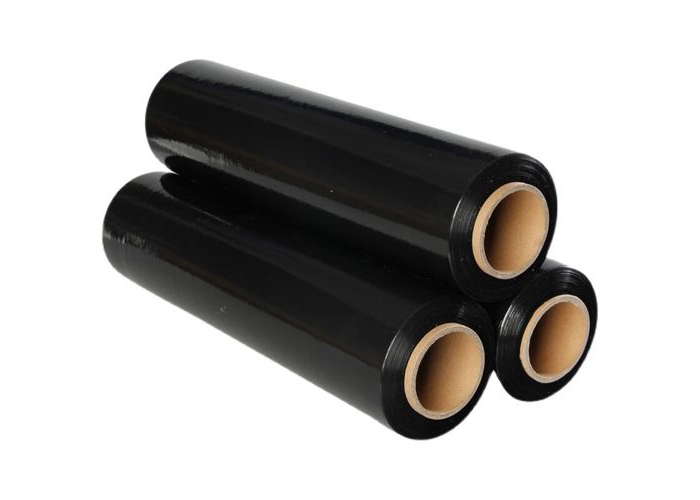
Understanding PE Cling Film Rolls for Industrial Food Packaging
Material Composition and Safety Standards
PE Cling Film is made from either Low-Density Polyethylene (LDPE) or Linear Low-Density Polyethylene (LLDPE). It can be cast or blown into a film. Modern PE formulations don't have chemical migration risks like older PVC alternatives that did. This mixture passes strict tests, such as those required by FDA 21 CFR 177.1520 compliance and EU Regulation 10/2011, which means it is safe for direct food contact. Some factories, like Shandong Honghe Plastics, have both ISO 9001 certification and BSCI audits, which show that they keep quality control high throughout the whole production process.
Key Physical and Chemical Properties
PE Cling Film's chemical makeup makes it naturally flexible and resistant to water. Industrial rolls are usually between 8 and 20 microns thick, which is a good balance between durability and cost-effectiveness. Controlled surface tension, not chemical agents, builds cling strength. Adhesion is kept at temperatures between 2°C and 8°C for cooling. Oxygen transmission rates can be set between 2,000 and 8,000 cc/m²/24 hours, which lets fresh food breathe and stops it from going bad without oxygen. Transmission of water vapor stays below 10 g/m²/24 hours, which keeps the material from drying out while it is being stored.
Customizable Roll Specifications for Industrial Applications
Customized, size-matching automatic packing equipment is helpful for people who buy a lot of things. Standard widths range from 300 mm to 500 mm, and rolls can be up to 1,500 meters long. This means that packaging lines don't have to change rolls as often. Core sizes can fit mandrels that are 3 inches or 6 inches in diameter and work with industrial dispensers. Different thicknesses are used for different things. For example, thinner gauges are best for bakery goods that need to be able to breathe, while heavier films protect meat cuts while they're being shipped. Print registration lets you put logos directly on film surfaces, which helps meet food safety standards' requirements for tracking.
Comparing PE Cling Film with Alternative Films in Industrial Food Packaging
Performance Analysis Against PVC and Polypropylene
The choice of materials affects both how well operations run and how well they follow the rules. PVC films have strong adhesion, but they can let plasticizers move around, which can be a problem for fatty foods like cheese and processed meats. Polypropylene is very clear, but it doesn't stick well enough to be used by hand; you need heat sealing tools for that. PE Cling Film strikes the perfect balance between being able to stick to itself well enough for hand-wrapping and being able to work with machines for automatic flow-wrappers. Tensile strength tests show that PE Cling Films can handle 20–40 MPa of stress, which is about the same as other options while still being better at stopping tears from spreading.
Environmental Impact and Recyclability
Sustainability factors are becoming more and more important in purchasing decisions. Resin Identification Code 4 means that PE Cling Film can be recycled by most local recycling programs, while PVC can only be recycled in some places. On average, 78 MJ/kg of energy are used to make PE Cling Film, while 85 MJ/kg are used to make PVC. After it has been used, PE Cling Film can be recycled and used for other things, like making composite boards or drainage lines. Some makers now use metallocene catalysts to make films that are 15% thinner while still having the same mechanical qualities. This directly cuts down on the amount of material used. Biodegradable additives are still being tested, but they look like they could be useful for composting within 18 to 24 months in industrial settings.
Cost-Effectiveness for Bulk Purchasers
Volume pricing structures help buyers who buy from you often. When you buy by the container load for 10,000 kilos or more, you usually get 12 to 18% off of spot orders. The cost of materials for PE Cling Film ranges from $1.80 to $2.40 per kilogram, based on the type of resin used and any customization needs. When you figure out the total cost of ownership, the fact that PE Cling Film is 8–12% less likely to fail than thinner PVC alternatives because it is more resistant to punctures more than makes up for any price premium. Increasing the shelf life of food has a measured return on investment (ROI). Properly wrapping food with oxygen-permeable materials can keep it fresh for an extra three to five days, lowering the amount of food that goes bad during distribution.
How to Choose the Best PE Cling Film Roll for Your Industrial Food Packaging Needs?
Essential Certification and Compliance Requirements
Before signing contracts, procurement managers have to check the paperwork that suppliers send them. For food-grade approval, migration testing results must show that there is no plasticizer transfer even when the product is aged quickly. Material Safety Data Sheets (MSDS) and Declaration of Compliance statements should be given by manufacturers. Businesses that sell goods around the world need sellers who have multiple regional approvals, such as FDA registration for US markets, LFGB certification for Germany, and Food Sanitation Law compliance for Japanese markets. During food safety reviews, it's important that the audit trail is clear, so source traceability systems are a key part of the evaluation process.
Matching Film Properties to Application Requirements
For each type of food, the PE Cling Film needs to have certain qualities. Freshly cut vegetables need more oxygen to stop anaerobic bacteria from growing, while baked goods need moderate moisture barriers to keep their texture without encouraging mold growth. Films that have blood-repelling additives that stop blood from soaking into the film structure are useful for processing meat. For cold storage, low-temperature flexibility is needed. Some PE Cling Film mixes stay flexible at -18°C freezer temperatures, while regular films become hard. For high-speed automated lines to work, the unwind tension and cling activation must be consistent. These requirements are usually checked through test runs before they are used on a large scale.
Evaluating Supplier Reliability and Service Capabilities
Beyond product quality, operational consistency is also important for building long-term partnerships. Lead time dependability is very important—suppliers who keep an inventory surplus of 30 to 45 days keep production from stopping when the supply chain changes. For foreign buyers, being close to big ports like Qingdao cuts down on shipping costs and transit time. When film performance problems happen on packing lines, quick expert help speeds up the troubleshooting process. Flexible minimum order quantities allow for changes in seasonal demand that are common in the food processing industry. Protocols for quality assurance should include testing each batch and making the Certificates of Analysis digitally available within 48 hours of shipment.
Strategic benefits come from vendors who offer both ODM and OEM services. Custom recipe development lets you make the best product possible, like changing the amounts of cling for different surface textures or the slip additives for automatic cutting systems. Co-branding options through printed films help with marketing efforts and keep the supply chain safe. Giving samples before committing to buying a lot of something lowers the risk of the purchase and lets you test it in real production settings instead of just using specification sheets.
Practical Guidelines – How to Use and Recycle Industrial PE Cling Film Rolls Efficiently?
Best Practices for Wrapping and Sealing
The right way to apply PE Cling Film improves its efficiency while minimizing waste. Maintain a 20–30% stretch during application when hand-wrapping to activate the cling properties without lowering the tear resistance. Overlap the edges by 40 to 50 mm to make sure the seal is complete around the edges of the container. To keep things from getting stuck, automated dispenser settings should keep tension (15–25% pre-stretch) and cutting speed in balance. Controlling the temperature is important. If you store film below 15°C, it may need to be left out in the air for two to four hours before you can use it. Surfaces that are clean for application work better for adhesion; residual moisture or oils make cling work 30–40% less well.
Implementing Waste Reduction Strategies
Material improvement is good for both the earth and your wallet. When you match the width of the film to the size of the container, you don't have to waste time trimming the edges. For example, a 450mm roll might be better for multiple SKU sizes than a standard 500mm width. Centralized delivery stations with automatic cutters make lengths that are more uniform than tearing by hand, which cuts down on waste by 8–12%. Recycling systems that send clean production waste back to recyclers recover 15 to 20 percent of the cost of the materials. Training programs that stress the right way to do things have measurable results. For example, one regional supermarket chain cut the amount of film used on each package by 18% by certifying its employees on the best ways to wrap.
Recycling Infrastructure and Circular Economy Participation
When properly separated, post-industrial PE Cling Film has strong recycle markets. Using baling tools to compact clean film waste into 400-500 kg blocks makes transporting it to reprocessing sites more cost-effective. Preventing contamination is very important—food leftovers below 2% by weight keeps the item eligible for recycling, and all that's needed before throwing it away are some simple wipe-down steps. Some forward-thinking providers have programs that collect used rolls from big customers so that they can be recycled in a closed loop. By forming relationships with local recyclers of plastics, you can get small amounts of money to help pay for disposal costs and meet the requirements for green reporting that are being pushed by corporate buyers.
Future Trends and Innovations in PE Cling Film for Industrial Food Packaging
Advancements in Biodegradable and Compostable Materials
Bio-based feedstocks are being used in research labs to make the next version of PE Cling Film. These hybrid materials keep the mechanical properties of regular PE Cling Film while adding 30 to 40 percent renewable content from corn starch or sugarcane derivatives. Oxo-biodegradable additives speed up the breakdown of polymers in certain situations, but there isn't a lot of industrial waste infrastructure yet. More promising are PHA (polyhydroxyalkanoate) blends that truly biodegrade in marine environments within 6 to 12 months, which would help solve the problem of ocean plastic. As production levels rise, costs will drop from the current $4–5/kg range to levels that are in line with normal PE economics. This will make the business more viable.
Smart Packaging Integration
Antimicrobial coatings are useful innovations that can be used right away. Adding silver nanoparticles or zinc oxide to the surface of films stops bacteria from growing on the outside of packages, which increases their refrigerated shelf life by 20 to 30 percent. In cold chains, time-temperature signs painted with thermochromic inks make it easy to see if food is still fresh. RFID integration at the pallet level lets you track inventory in real time, but individual package tagging won't be possible until costs go down. Films that remove oxygen from the air actively do so through iron powder packets layered between layers. This keeps fragile items like salted meats that are easily oxidized from getting damaged.
Strategic Recommendations for Procurement Professionals
To meet both current business needs and growing standards for sustainability, carefully choosing which suppliers to work with is necessary. Focus on producers who can show they are investing in research and development to find new materials while keeping the stability of their current products. Negotiate contracts that include regular updates to the formulation as better materials become ready for sale. Join business groups like the Sustainable Packaging Coalition to have a say in how standards are made. Test new technologies on a small set of SKUs before putting them into full use, and figure out how much better they work and how much they cost. Focus on collaborative innovation in your relationships with suppliers instead of just buying things from them. Partners who are willing to work with you to create custom solutions will give you a competitive edge as your packaging needs change.
Conclusion
The success of industrial food packing relies on choosing materials that meet safety standards, operational efficiency goals, and sustainability goals all at the same time. PE Cling Film has been shown to work well in a wide range of situations, from protecting baked goods to wrapping fresh fruits and vegetables. Cost structure and supply dependability are both improved by strategic buying that focuses on certified suppliers, custom specs, and long-term relationships. As the packaging industry moves toward better, greener options, building partnerships with creative makers can help your business easily adopt new technologies while keeping the high quality your customers expect.
FAQ
Q1: What thickness of PE cling film works best for industrial meat packaging?
A: When processing meat, 12 to 15 micron PE Cling Film rolls are usually needed because they are strong enough to stop bone fragments from poking through while still being flexible enough to wrap tightly. For longer periods of time in cold storage, heavier 18–20 micron options work best for bone-in cuts. To stop oxidative darkening, the oxygen transfer rate should stay below 3,500 cc/m²/24 hours. Check to see if the film meets the FDA's rules for indirect food additives that come into direct contact with meat and that it works well at the 0–4°C temperatures that are common in processing facilities.
Q2: How does PE cling film compare to stretch wrap for pallet stabilization?
A: These are used for different things. PE Cling Film is great for individually wrapping items because it sticks to itself, while stretch wrap keeps loads in place by stretching back into shape. Stretch films are usually 17 to 23 microns thick and can stretch 200 to 300 percent. PE Cling Film, on the other hand, is 8 to 15 microns thick and can stretch 100 to 150 percent. When it comes to wrapping pallets, stretch film has the best holding power. PE Cling Film remains the best way to protect individual foods before they are packed in cases. Some businesses use both: PE Cling Film to protect products and stretch wrap to join boxes together.
Q3: Can PE cling film be used in microwave reheating applications?
A: PE Cling Film doesn't change much at temperatures up to 80°C, so it can be used to warm wrapped foods in a low-power microwave. Do not let the film touch high-fat foods directly while they are being heated, as some areas may reach temperatures that are too high to be safe. The film shouldn't come in contact with heat or be used in regular ovens. FDA rules allow PE Cling Film to be used in microwaves as long as the manufacturer's instructions are followed. Ventilating one corner keeps steam from building up. Businesses that serve food to the public should check with their film provider to make sure that the grade they supply is microwave-safe.
Partner with Shandong Honghe Plastics Co., Ltd. for Reliable PE Cling Film Supply
Finding a reliable PE Cling Film manufacturer has a direct effect on the standard of your products and the stability of your operations. Shandong Honghe Plastics Co., Ltd. was founded in 2017 and is located near the port of Qingdao. They make food-grade PE Cling Film and have ISO, FDA, and CE licenses to show that their manufacturing standards are met. Our high-tech molding lines can make rolls with any size and thickness, from 8 microns to 20 microns. These rolls can be wrapped by hand or automatically by packing systems.
Competitive container-load prices and 30-day inventory stocks make sure that buyers who buy a lot of goods don't run out of supplies. We offer full sample testing, technical advice on choosing films, and helpful 24-hour support after the sale. Get in touch with tony@sdhhsl.com to talk about your specific needs and get detailed product specifications that are made for your situation.
References
1. Robertson, Gordon L. "Food Packaging: Principles and Practice, Third Edition." CRC Press, 2012.
2. Marsh, Kenneth and Betty Bugusu. "Food Packaging—Roles, Materials, and Environmental Issues." Journal of Food Science, Vol. 72, No. 3, 2007.
3. Yam, Kit L. "The Wiley Encyclopedia of Packaging Technology, Third Edition." John Wiley & Sons, 2009.
4. Selke, Susan E.M., John D. Culter, and Ruben J. Hernandez. "Plastics Packaging: Properties, Processing, Applications, and Regulations, Third Edition." Hanser Publications, 2016.
5. Kirwan, Mark J. and James W. Strawbridge. "Plastics in Food Packaging." Food Packaging Technology, Blackwell Publishing, 2003.
6. Piergiovanni, Luciano and Sara Limbo. "Food Packaging Materials." Springer International Publishing, 2016.