



Is Point Break Cling Film suitable for food packaging and storage?
Yes, point break cling filmhttps://www.sdhhsl.com/pvc-cling-film/pvc-point-break-cling-film can be suitable for food packaging and storage, as long as the film is made for direct food contact and the supplier can prove it. Point break cling film separates at controlled tear points, so staff can wrap trays, pans, and bowls without a cutter box. That saves time and keeps hands away from blades. Still, safety depends on the resin, additives, thickness, and storage conditions. In this guide, I explain how the film works, what to check before you buy, and how it compares with other wraps.
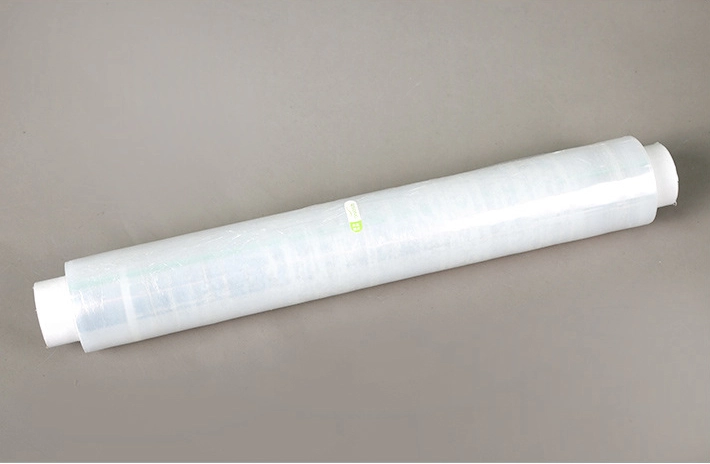
How Point Break Cling Film Works and Why Food Safety Comes First
What Is Point Break Cling Film and How Does It Work?
Point break cling film is a type of food wrap that already has tear points, lines, or weak spots built in. The film is taken out and cut where it should be. Because each company makes things in a different way, you should write down how the tear works. It should be simple to tear the film, and it should stay strong after being taken off the roll. It also needs to look good, stick well, and be tightly tied. It's easier to change the length of some types of point break cling film, but pre-perforated film tears apart at set times. All of these things affect waste and cost per wrapped item, so you need to look at them all together.
Is Point Break Cling Film Food Safe?
Not right away. Just because it says "cling film" on the box doesn't mean it's safe for food. The safety of the polymer, the food, the additives, the controls used during production, and the way the food comes into contact with the polymer all can change. This is the United States. Polyethylene sheets must follow FDA rules, like 21 CFR 177.1520 for olefin polymers, when they come into contact with food.
People who want to buy something should ask for a Certificate of Analysis, the results of migration tests, material statements, and information on how each batch was tracked. Aside from that, they should find out how to follow FDA rules. Check both the item and the company that sells it. Then, test the film with foods that you usually handle, like meat, dairy, baked goods, fruits and veggies, foods that are acidic or oily, and baked goods. More checks need to be done on hot food, long-term storage, and automated lines.
Benefits of Point Break Cling Film for Food Packaging and Storage
The best thing about it is that you can use it to wrap things more than once. People who work in bakeries, restaurants, grocery stores, and as chefs don't have to stop as often to find a cutter when there isn't much space between them. This lets them cover trays more quickly. It's also better for your health because there are no blades to clean. It's easier to train when the amount of tear and roll size stay the same.
This helps other places do things the same way too. Because it doesn't let moisture escape, cling film keeps surfaces from drying out, and it stops smells from moving while things are being stored for a short time. However, film can't clean your hands or keep things cold. The CDC says that food poisoning sickens about 48 million people in the US every year. The USDA says that fridges should be at least 40°F. To find out how much it really costs, add the roll's price to the costs of work, waste, and going over it again.
Comparing Options and Matching the Film to the Job
Point Break Cling Film Compared With Other Packaging Options
Point break cling film, perforated film, stretch wrap, and point break cling film are the types of wrap options. Point break cling film is in the middle. Most rolls need a cutting or sharpened edge, and you'll lose the film if you pull it too far. When you use the same size container and do the same thing over and over, porous film will split at set times. It might be easier to cut down a sheet that has point breaks.
This helps when the package gets bigger or smaller. Even though stretch wrap can be used to ship, bundle, and cover pallets, that doesn't mean it's safe to put food on. You should look at how easy it is to tear the sheets, how bendable they are, how much waste they make, whether they touch food, and how much it costs to run the whole business. You can learn more from a side-by-side test in your own work flow than from reading a book.
How to Choose Point Break Cling Film for Different Food Packaging Applications
Do what the job tells you to do. Places with a lot of food need rolls that are the right size, easy to tear, and stick well. There needs to be film that can be used anywhere and can fit a lot of people at once. The store clerks look at how clear it is, how much of the tray is covered, how easy it is to keep track of, and how well it fits each type of food. You should pay close attention to how well foods that are meat or very wet don't tear, stick, or handle fat.
Some baked goods, fruits, and vegetables may need a certain amount of air flow or water. There are two kinds of cling film: PE and PVC. Ask for the material and a list of things that can be used with it to get the right one. For industrial lines, tests should be done to make sure the core size, unwinding tension, speed, tear-point alignment, and compatibility with machines are all good.
How to Evaluate Point Break Cling Film Quality and Performance?
Tests and written work should be done at the same time. Check out the different types of materials and their ranges of thickness, width, length, net weight, core diameter, cling strength, tensile strength, stretch, clarity, smell, and temperature. People use ASTM D882 to see how strong something is and ASTM D1922 to see how well it can handle being torn.
See if reports use these rules. Then put it to the test. By hand separate the film, wrap real containers in it so that it can't be poked, and put the wrapped items in the fridge. Then, count the film waste. Check the samples to make sure they are good enough to use, and make sure the labs, methods, and dates are in the reports. Keep an eye out for red flags like uneven thickness, different tear spots, rolls that are expanding, wrinkles, weak cling, a strong smell, or export boxes that are broken.
Buying Point Break Cling Film in Bulk: Wholesale, Factory Direct, and OEM
How to Buy Point Break Cling Film Wholesale or Factory Direct?
To begin, write down the specifics of the order. Write down the type of food, the material, the thickness, the width, the length, the how the roll and carton will be set up, the annual amount, the certifications, the shipping address, and any private-label needs. You should then divide your sources into four groups: makers, retailers, wholesalers, and factory-direct exports.
Each of these lets you change the quality and wait time in different ways. Look into how much they can make, how long it takes to get, how much they've exported, how well they handle cases, and how much they can make. Not just the roll, but the whole order needs to be priced. Along with the film weight, there should be packing, freight, taxes, an inspection, setup fees, defect rates, and waste. To find out, it's best to keep track of how much it costs to wrap each tray, container, or task. By the end of the month, a cheap roll that tears easily may have cost more.
Custom, OEM, and Private-Label Point Break Cling Film Options
Point break cling film can help store groups, food service chains, marketers, and exporters make sure that all of their sites follow the same rules. Along with roll length, core size, width, thickness, number of cartons, printed cartons, private labels, and instructions in more than one language, you can choose what you want. To find out if the MOQ includes making the whole package, cut the films, print the boxes, and put labels on them, ask. Bigger projects usually cost more per unit, but they also come with more risk.
There are, however, times and prices when bigger runs are better. The shipping labels, receipts, packing lists, and certificates of origin should also be looked at. You should also check how strong the boxes are, how well they keep things dry, and how they are packed. Shandong Honghe Plastics Co., Ltd. is an OEM and ODM company where buyers can talk about film specs, artwork, and box design.
Why Buyers Consider Shandong Honghe Plastics Co.,Ltd.
Since it began in 2017, Shandong Honghe Plastics Co., Ltd. has been making PE/PVC cling film, cheap TPE/CPE/PE gloves, and stretch film. It is in the town of Liuguanzhuang in Shandong Province that we have our factory. It's close to Qingdao Port, so it's easy to get to. Our workshops are set up in a standard way, and we use high-tech tools to make things. ISO, CE, and FDA have all given their approval to our goods. It's also okay with BSCI and WCA. After the sale, we have customer service 24 hours a day, 7 days a week, and we keep a lot of stock on hand. You can also try out samples. People who want to buy should have a steady supply and low risk. Before you place a big order, ask us for the paperwork that goes with the exact thing you want.
Storage, Handling, and Mistakes to Avoid
Point Break Cling Film Storage and Handling Instructions
Put rolls away from direct sunlight, heat, water, dust, chemicals, and sharp items. Keep them in a clean, dry room with good air flow instead. Keep them in their original boxes when you're not using them. Also, don't put boxes up too high or the rolls will break. It keeps track of the time, batch number, and person who brought in each entry. You can use the rolls as soon as they are warm enough. Also, check to see if they have any shipping damage. Staff shouldn't drag rolls over rough ground. Training is also important. New employees should be shown the right way to use the tear points and pull the film. If they do it wrong, they could waste film and damage the edge.
Common Mistakes When Selecting or Using Point Break Cling Film
A lot of people are wrong when they say that all point break cling film can touch food. Make sure you have the right type of food, market, recipe, and temperature. Pick the bigger film if you want to save money on the price per unit. This might lead to more damage, cleanup, work, and trash. There are also people who buy both industrial stretch wrap and food-safe cling film. How the food is held, how much fat and water it has, how long it is kept, and whether it is wrapped by hand or by a machine all affect the results. As part of the process for approving a supplier, make sure there are clear rules for how to handle return and complaint. This should include specs, samples, batch records, a check before shipping, and samples that are kept.
Final Buying Checklist: Is Point Break Cling Film the Right Choice?
Take a look at these three things before you decide. What about how it works at different temperatures, how it tears, how thick it is, and how well it sticks? We have to talk about all of these things first before we can talk about how well the product fits. Second, the supplier's strengths: proper paperwork, steady output, technical limits, trial support, OEM skills, shipping experience, and the ability to keep prices stable when the same order is placed over and over.
Third, what is the business value? This includes how much it costs to wrap each item, how much work is saved in terms of time and money, how much material is lost, the minimum order quantity, the wait time, and how quickly the items can be replaced. Point break cling film works well in schools, restaurants, grocery stores, and for catering. Before you go big, you need more proof for the vegetable, meat, baking, and industrial lines.
Conclusion
Point break cling film can be used to store and package food as long as it is made for direct food contact and comes with the right paperwork, like a Certificate of Analysis, migration test reports, and instructions on how to follow FDA rules. To train and wrap things over and over faster, the controlled tear points are helpful. But it can't take the place of clean handling or cold storage. This film is in the middle of plain film, film with holes in it, and stretch film. Boxes of different sizes can be wrapped in it. Make sure the resin, thickness, and stickiness are all good for the food. Then, tear some samples and see how much waste they make and how well they seal holes. Check out more than just the roll's price. People who want to buy something should also check how much each packed item costs, how stable the supply is, and what papers the seller has.
FAQ
Q1: Can point break cling film touch food directly?
A: Yes, as long as the company that made it had a good reason for making it and could prove it with things like an FDA compliance report and a Certificate of Analysis.
Q2: How does it differ from perforated film?
A: Point break cling film has marked tear spots, and some types let you change how long the sheets are. Film with holes in it breaks at set times, which is good for quick jobs with set sizes.
Q3: What thickness should I choose?
A: What makes something thick is the type of food, the shape of the container, how likely it is to get punctured, and how it is used. Try them out on real containers before you order a lot of them.
Q4: Can the film be customized?
A: As long as the MOQ, tests, artwork, and licensing needs are met, it may be possible to make OEM products, private labeling, and custom roll sizes.
Contact Shandong Honghe Plastics Co.,Ltd. for Point Break Cling Film Samples and Wholesale Quotes
You need to find a company that can help you with point break cling film. Shandong Honghe Plastics Co., Ltd. is open 24 hours a day, seven days a week. They offer samples, OEM and ODM services, a large collection, fast shipping, and service after the sale. Our products have been approved by ISO, CE, and FDA. You can tell them what kind of food, roll size, and amount you need by emailing tony@sdhhsl.com.
References
1. U.S. Food and Drug Administration, Code of Federal Regulations Title 21, Section 177.1520 Olefin Polymers, 2023.
2. Emerging Infectious Diseases, Foodborne Illness Acquired in the United States—Major Pathogens, 2011.
3. European Parliament and Council of the European Union, Regulation (EC) No 1935/2004 on Materials and Articles Intended to Come into Contact with Food, 2004.
4. ASTM International, ASTM D882-18 Standard Test Method for Tensile Properties of Thin Plastic Sheeting, 2018.
5. ASTM International, ASTM D1922-15 Standard Test Method for Propagation Tear Resistance of Plastic Film and Thin Sheeting by Pendulum Method, 2015.
6. U.S. Food and Drug Administration, Guidance for Industry: Preparation of Premarket Submissions for Food Contact Substances: Chemistry Recommendations, 2007.