



Is PVC Cling Film for Food Wrapping Safe for Direct Contact at Home?
Yes, PVC cling film for food wrapping https://www.sdhhsl.com/pvc-cling-film/pvc-cling-film-for-food-wrappingcan be safe for direct contact at home, but only if it was made to be used with food and the instructions were followed by the user. Safety depends on the whole mix, which includes additives and plasticizers, not just the PVC resin. I always read the label to see if it says "food-contact" or has temperature limits or warnings about using it in the microwave or oven. Foods that are fatty, hot, acidic, or that will be stored for a long time may need extra care. Don't think of all clear PVC film as the same thing. The sections that follow tell you what to check, how to use the film, and what buyers should ask sellers.
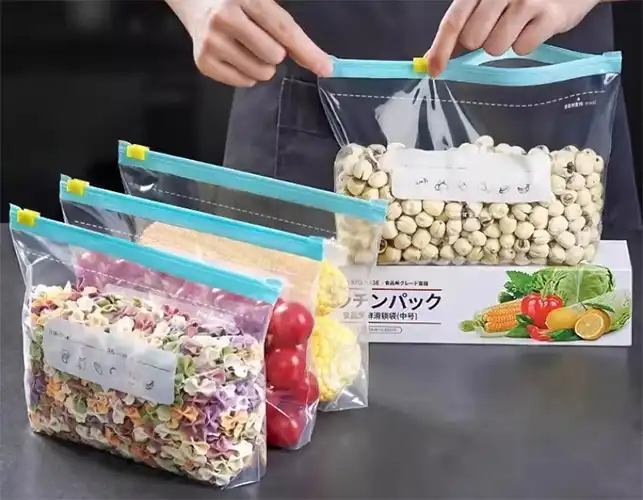
What Makes PVC Cling Film Safe for Food Contact?
A Controlled Formulation Matters More Than the Resin
Food-safe film is not just resin; it is a mix. PVC resin, plasticizers, stabilizers, and processing aids are common ingredients in a formula. Also, stabilizers and additives are important. What makes the film soft and stretchy is the plasticizer. It also makes it stick to things. Each ingredient has to be safe for food contact in the market it is going to. Non-DEHP plasticizers like DOA or DOTP are often used in modern food-grade films, though the exact recipe varies from maker to maker. This is the reason why two clear rolls can look the same but act differently when they come in contact with fatty food. Looks don't tell you much. Because the resin by itself can't decide if something is safe, I suggest getting written confirmation of the formulation and compliance status.
Rules That Apply in the United States and Abroad
In the US, the Food and Drug Administration (FDA) controls what can touch food. The rules can be found in Title 21 of the Code of Federal Regulations. General safety rules are set by Regulation (EC) No 1935/2004 in the European Union. More specific rules for plastics are set by Regulation (EU) No 10/2011, which includes a limit of 10 mg per square decimeter of surface for overall migration. The EU also limits the amount of vinyl chloride monomer that can be found in finished goods to 1 mg per kilogram. A lot of exporters design PVC cling film for food wrapping for both sets so that one film can serve more than one market. Certifications from ISO, CE, and FDA have been given to our products. We also have BSCI and WCA certifications.
Documents That Prove Safety
A clear look doesn't show anything, so I look for papers. Migration testing checks to see if substances can move from the film to food models at certain temperatures and times. The simulants are used to test plasticized films against water, acidic foods, alcohol, and fatty foods. Fatty simulants are often the most difficult food to test. Documents that are good to keep are a Declaration of Compliance, test reports, technical specifications, and the ability to track each batch. They should make sure that each document fits the right product and market. When a supplier can't give me papers, I consider the film to be fake for direct contact.
How to Use PVC Cling Film Safely at Home
Foods That Suit Direct Contact
Cling film is usually used to cover bowls, cut fruit and vegetables, cooked food that has been cooled, and sandwiches. You don't have to touch these foods for long because they are cool and low in fat. One, I only cover foods that are on the box with film. Two, I wait for hot food to cool down before covering it. And third, I keep surfaces clean and dry. I wrap bowls in a loose way so that steam and condensation can move around. Mushrooms and other vegetables that breathe a lot need gas exchange, and PVC cling film for food wrapping helps them do that when they are stored in cold, damp places. Any wrap that tears or touches the floor gets thrown away.
Raw Meat, Poultry, and Fish
Because raw meat has juices that come out, I put it on a tray or in a container before I cover it. That step keeps things from getting dirty in the fridge. Oxygen can get to the surface of the meat through oxygen-permeable film. This keeps the bright red color of the oxymyoglobin that shoppers expect. I still follow the use-by date, though, because color doesn't mean something is fresh. According to the USDA, you should put raw meat on the bottom shelf of your fridge so that any drips don't get to other foods. It's the same for fish, with a tray to catch liquid. I choose film that is safe for food, and I keep raw and cooked food separate.
Cheese and Oily Foods
Cheese, oily leftovers, and rich sauces need extra thought because they are the foods most likely to cause migration. I like to use cheese film, PE film, or a container with a lid for these foods. It doesn't stick to the surface when I use PVC cling film; I cover the edge of the container instead. Before any direct contact, the label should say that fatty foods are okay. Because migration goes up with contact time and temperature, short storage lowers risk. A glass dish with a lid works most of the time. I know it's not fat when the box doesn't say anything about it.
Temperature, Storage, and Common Mistakes
Refrigerator and Freezer Use
The USDA says that the freezer should be at 0°F and the fridge should be at 40°F or less. The label still tells you how long the food can be in contact with the cling film and what kind of food it can be. The film has to stay flexible and stick to the food in the freezer. If it doesn't, air will get in and cause freezer burn. If a wrap breaks when it gets cold, it doesn't do its main job. Check the data sheet for the lowest and highest temperatures that are allowed, then compare them to how you actually store, transport, and prepare the food. Before ordering a lot of rolls, businesses should run this check.
Microwave and Oven Warnings
Use of a microwave should be treated as a separate OK. Most of the time, standard PVC film shouldn't be used for microwave cooking, especially when cooking fatty foods, because heat speeds up the movement of the plasticizer. If the package says it's okay to reheat in the microwave, I make a hole in the lid to let steam escape and keep the film off the food. Sticky film should never be used in a regular oven or under a broiler unless the maker says it's okay. Toaster ovens and grills need the same level of care. If you heat the film, it can melt on food and dishes. When I'm not sure, I use a lid or plate that can go in the microwave. Federal guidelines for food safety also say to only use wraps that say they are safe to use in microwaves.
Mistakes I See Most Often
These are the mistakes that most often lead to problems with food contact:.
- Assuming every clear PVC film is food-safe. Industrial, decorative, and technical films may not be made for food contact, so I check for food-contact wording on the carton or data sheet before any roll touches a meal. A glossy surface or a familiar look proves nothing at all about the formula inside.
- Ignoring fat, acid, and heat. Cheese, oily sauces, and acidic foods such as tomato dishes are tested separately from dry foods because they can behave differently, and hot food adds to the effect. I let food cool and choose a barrier or container when the label does not allow direct contact.
- Pressing thin film onto sharp or bumpy items. Bones, shells, and irregular cuts can puncture thin film and expose the food. Strong cling can also tear the wrap during removal after long storage. I match thickness to the product and use a cutter box for clean, controlled tearing at the counter.
Most of the risks that can be avoided in daily use can be avoided by not making these three mistakes.
How PVC Cling Film Compares with Other Food Wraps
PVC Versus PE Cling Film
The way I compare PVC and PE is not by name, but by use. PVC usually has better clarity, stronger cling, and better elastic memory, which means it can hold bowls and trays without having to be heated and sealed. There is no plasticizer in PE, so it costs less, but it often needs more help to stick. A lot of fresh meat counters choose PVC because it lets oxygen pass through and keeps red meat looking bright. Compare the ability to resist punctures, the range of temperatures it can handle, and the rules for throwing it away. A grocery store chain that wraps trays on a machine might like PVC better, but a person at home who wants to cover a dish with a lid might be fine with either.
Biodegradable and Other Alternatives
A lot of people who buy PVC cling film for food wrapping want greener wraps. Biodegradable and compostable wraps might be helpful, but claims need to be backed up by credible certification and proper disposal conditions, since not all composting facilities will take them. They still have to follow the same rules about touch with food as any other PVC cling film for food wrapping.
When used at home, beeswax cloths, silicone lids, and reusable containers cut down on single-use trash. However, they aren't as useful in a busy kitchen or packing line. When doing a lot of work, it's also important to use materials efficiently. For example, a film that stretches well and tears cleanly uses less. Before you switch, I think you should try any new stuff on your own foods. Write down how long something lasts, how it looks, and how much is wasted.
Roll Formats for Home and Commercial Users
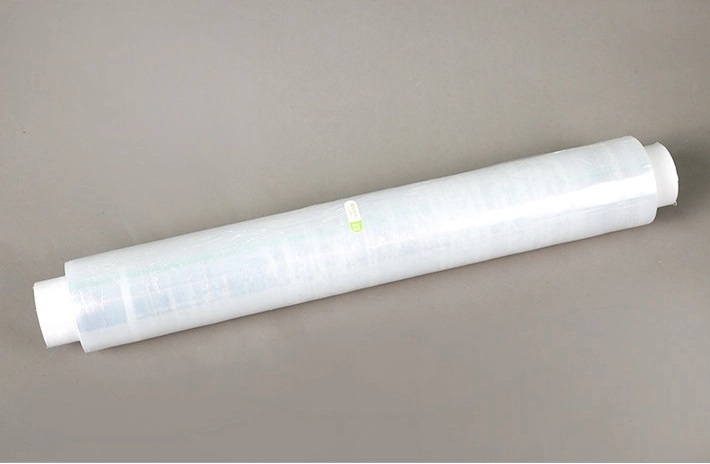
The format changes the experience in more ways than most buyers think. People in homes like small rolls that come in boxes with a slide cutter. Restaurants and caterers like rolls that are wider, stay the same length, and can be dispensed quickly. Supermarkets often need clear film to wrap trays and make cartons that are ready to sell. Most of the time, distributors and converters look at private-label packaging, jumbo rolls, and custom widths. There are two types of cling film we make: PE and PVC. Our OEM and ODM service lets customers change the size and packaging to fit their needs. Early on, let us know what kind of dispenser or machine you have. The core size and width must fit. The right format cuts down on waste, speeds up work, and makes sure that supply stays steady.
How to Choose PVC Cling Film for Food Packaging?
Physical Properties to Test
Tensile strength, elongation, cling force, puncture resistance, and clarity are the first things you should look at. Tensile strength for most PVC cling film is between 15 and 30 MPa, and elongation at break is between 150 and 400%. This means that the film can stretch over irregular shapes without tearing. Thick film is better at protecting heavy or sharp things, but it costs more per roll and isn't always the best choice. You should test samples on your own products, in your own fridge or freezer, and with your own way of wrapping them. When you hand wrap or machine wrap a film, you put different amounts of stress on it.
Questions to Ask Every Supplier
Good suppliers make it easy to understand technical questions. Ask for a sheet that lists the material's make-up, thickness, size, weight, cling, stretch, temperature range, and suggested uses. Ask for food-contact documents that are right for your product and the market you want to sell it to, like quality records, batch traceability, migration reports, and a Declaration of Compliance. Then, get down to business by asking about things like the minimum order size, lead time, shipping terms, inventory levels, and experience exporting. Purchasing managers should also find out how a supplier handles returns and complaints. A quick response will keep your line from going down. For easier audits, write down your answers. Answers that are clear and to the point show that the supplier knows their stuff.
Why Buyers Work with Shandong Honghe Plastics Co., Ltd.
Since its start in 2017, Shandong Honghe Plastics Co.,Ltd. has been making PE and PVC cling film, disposable TPE, CPE, and PE gloves, and stretch film. Our factory is in Liu Guanzhuang Town, Shandong. It is close to Qingdao Port, which makes shipping easy. Good quality PVC is used to make our PVC cling film for food wrapping. It is widely used for food packaging, refrigeration, catering, and at home. We can make changes based on your needs, and we offer OEM and ODM services. We also offer free samples so that your team can try them out before placing an order. We have a lot of stock, can deliver quickly, have reasonable prices, and are available 24/7 to answer questions after the sale.
Conclusion
If the company that makes PVC cling film for food wrapping makes it safe for food contact, the user follows the label's instructions, and the film is kept away from food at home, it can be used. It's not the resin that determines safety; migration testing and a Declaration of Compliance are the best ways to show this. When food is cool, it can be touched directly. However, raw meat needs to be on a tray. You should be extra careful with cheese, oily food, hot food, microwaves, and ovens, or you should use a different wrap. The maximum temperature and thickness of the film should be the same as they are in real life. PVC has better clarity and cling than PE, but PE is cheaper and doesn't have any plasticizers in it. Before placing an order, buyers should look at samples, test them, and make sure they meet the needs of their market.
FAQ
Can I wrap raw meat directly in PVC cling film?
Only if the movie is okay for that type of food. I put meat on a tray first to keep the juices inside, and then I put it on the bottom shelf of the fridge, below the cooked and ready-to-eat foods.
Is PVC cling film safe for cheese and oily foods?
The risk of migration is highest for fatty foods, so I use cheese film, PE film, or a container with a lid unless the label says that direct contact between fatty foods is okay.
Can I use it in the microwave?
Only use it in the microwave if the label says to. Since heat makes it easier for plasticizers to move, most of the time standard film shouldn't be used for microwave cooking. Let air flow through the lid, and don't let the film touch the food.
How is PVC different from PE cling film?
PVC has better clarity, a stronger grip, and a better ability to stretch. PE doesn't have any plasticizers and costs less, but it tends to stick together less. PE is good for covering simple tasks.
Which documents should a buyer request?
Ask for a specification sheet, migration test reports, a Declaration of Compliance, quality certificates, and batch traceability that are all right for your product and the market you want to sell it to. Keeping written records helps with audits.
Request Free Samples of PVC Cling Film for Food Wrapping
Shandong Honghe Plastics Co.,Ltd. is happy to hear from brands, restaurants, supermarkets, food processors, and distributors who need a supplier of PVC cling film for food wrapping with a large inventory and quick delivery. Send us the type of food, the thickness of the film, the size of the roll, and an estimate of the volume, and we'll send you free samples and make changes based on your needs. Send your quote request to tony@sdhhsl.com.
References
1. Regulation (EC) No 1935/2004 on materials and articles intended to come into contact with food, 2004
2. Commission Regulation (EU) No 10/2011 on plastic materials and articles intended to come into contact with food, 2011
3. Code of Federal Regulations, Title 21: Food and Drugs, 2023
4. Plastic Packaging: Interactions with Food and Pharmaceuticals, 2008
5. Meat Science, "Where is MAP Going? A Review and Future Potential of Modified Atmosphere Packaging for Meat," 2008
6. Food Packaging: Principles and Practice, 2012